May 11, 2026
Special Interview with Yuzuru Zobe
More Than an Investment: How Foreign Buyers Are Discovering a Lifestyle Through Tokyo Real Estate
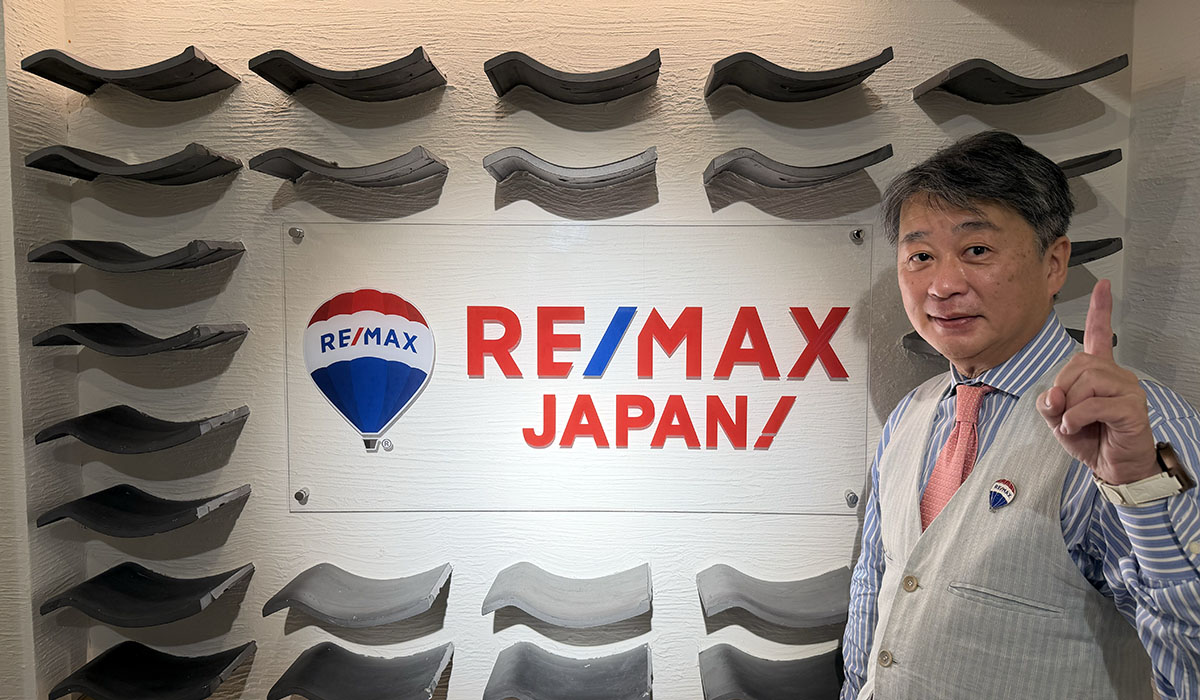
For many overseas buyers today, purchasing property in Tokyo is no longer just about investment returns. It is about connection: to the city, to Japanese culture, and to everyday experiences such as food, neighborhoods, and quality of life.
With decades of international business experience and a unique background spanning finance, real estate investment, and gourmet culture, Yuzuru Zobe has built a distinctive approach to serving global clients. In this interview, he explains why Tokyo continues to captivate foreign buyers and how the meaning of real estate ownership in Japan is quietly changing.
Could you tell us about the background and path that led you into the real estate business? In particular, what motivated you to focus on real estate transactions for foreign clients?
Originally, I worked in the financial sector, primarily handling real estate trusts and real estate-backed financing. At the same time, I personally invested in and managed six income-producing properties, which I still own and operate today. The turning point came when my brother-in-law in Hiroshima decided to launch his own real estate business and asked for my support from Tokyo.
To fully commit to the industry, I earned the national Real Estate Transaction Agent license on my first attempt. The exam is offered only once a year and is highly competitive, with a pass rate of about 15 to 18 percent. The qualification is essential not only for earning clients’ trust but also because Japanese law requires at least one out of every five employees at a real estate office to hold this certification.
Once I began building the business in Tokyo, the next challenge was to differentiate myself and establish a clear brand identity. I majored in international economics at university, and after graduation I consistently worked in overseas sales roles conducted in English. In addition, I spent a total of seven years stationed abroad as an expatriate in Amsterdam, Bangkok, and Shanghai. I have also made more than 400 overseas business trips and visited around 50 countries.
Drawing on this international background, I decided to position myself differently by focusing primarily on foreign clients, especially those residing overseas. In reality, this is a market segment with strong demand, yet one that many real estate companies in Japan, including major firms, are not always fully equipped to serve.
As for branding, which I will discuss in greater detail later, I chose to work as an agent for RE/MAX, one of the world’s largest real estate franchise networks headquartered in the United States. At the same time, I launched my own website and YouTube channel to share information globally and build an international presence.
How do you explain the Japanese real estate market to overseas investors? Also, what do you see as its key characteristics and attractions compared with other countries?
In principle, I recommend real estate in Tokyo. While Japan as a whole is experiencing population decline, Tokyo’s population continues to grow. There are many reasons why people continue to concentrate in Tokyo, but one particularly unique perspective is education.
For example, in the Kansai region, there are four major prestigious private universities: one in Osaka, one in Kobe, and two in Kyoto. In contrast, Tokyo has around 20 universities of a comparable level. Beyond universities, the sheer concentration of educational institutions in Tokyo is remarkable. In other words, many young people naturally move to Tokyo at the age of 18 to pursue higher education. As a result, employment opportunities continue to expand in the capital, and as the gap between Tokyo and regional cities widens, Tokyo’s growth accelerates even further.
Japan experienced a major financial and real estate bubble in the past, so the market today does not exhibit the excessive speculation seen during that era. However, this also creates a greater sense of stability. Compared with major cities in other countries, yields in Tokyo may initially appear relatively low. Yet vacancy rates are also very low, which provides investors with greater security. After all, yield calculations are generally based on full occupancy assumptions, so this point should always be carefully considered.
During Japan’s bubble era, the balance between acquisition costs and rental income became severely distorted. Some investors were willing to accept monthly losses simply to pursue short-term capital gains through rapid resales. Today, however, many properties in Tokyo maintain a healthier balance between rental income and investment value, which I believe reduces the likelihood of significant future declines in asset prices.
That said, it does not mean every property is automatically a safe investment. It is essential to carefully evaluate both the location and the property's intrinsic value. For example, with detached houses, even if someone builds their ideal brand-new home, when it comes time to sell, the building itself often has little resale value, and the property may ultimately be valued almost entirely based on the land. If the property was purchased with a mortgage, there is a risk that substantial debt could remain even after the sale. Even in cash purchases, investors may not fully recover their original investment.
In comparison, condominium units under sectional ownership currently tend to present lower risks in this regard, although location remains critically important there as well.
It is also worth noting that under current Japanese law, foreign residents living overseas can generally own real estate in Japan under nearly the same conditions as Japanese citizens residing in Japan. If overseas owners earn rental income from Japanese properties, approximately 20 percent of the rent must be withheld each month as withholding tax. Aside from taxation matters, however, foreign owners are largely treated in the same way as domestic owners under Japanese law.
What kinds of objectives and trends are you currently seeing among foreign buyers purchasing real estate in Japan?
Broadly speaking, there are two main types of foreign buyers.
The first group consists of people who visit Japan several times a year and wish to purchase a property as a second home. Since they generally do not intend to rent out the property, transactions for this type of buyer tend to proceed relatively smoothly. However, even among second home buyers, some hope to generate rental income through short term accommodations such as Airbnb when they are not personally using the property. In reality, though, the management associations of almost all condominium buildings in Japan prohibit short term rentals.
One possible alternative is purchasing a detached house for private lodging operations. However, many Japanese vacation rental management companies are reluctant to enter into operational agreements directly with foreign owners residing overseas. As a result, balancing personal use with income generation is often difficult in practice.
The second group consists of investors purchasing properties for investment purposes. These buyers typically seek both monthly rental income and long-term capital gains. In such cases, we provide comprehensive support, including post-purchase property management, tenant recruitment, and rental management services.
Naturally, these services involve ongoing management fees paid by the property owner. Therefore, if the investment property is relatively inexpensive and generates only modest rental income, the overall investment advantages become limited for the buyer. In my view, it is difficult to achieve meaningful investment returns unless the property can generate at least ¥100,000 in monthly rent, which generally corresponds to properties priced at or above ¥30 million.
In practice, the most common transaction range among foreign buyers is roughly between ¥50 million and ¥2 billion. For example, in Tokyo’s Minato Ward, it is not unusual for six-story commercial buildings occupied by restaurants to be traded at prices approaching ¥2 billion.
We understand that many foreign buyers make purchasing decisions without physically visiting the property, relying entirely on online communication. How common is this today, and what does the process typically involve?
Approximately half of my clients purchase properties without ever visiting them in person. This tendency is even more pronounced when it comes to investment properties. That said, prior confirmation remains extremely important, so we always provide detailed video footage through WhatsApp or conduct live virtual tours of the property. In many cases, attractive properties sell very quickly, so speed is often critical.
Before the COVID-19 pandemic, purchasing real estate in Japan required in-person procedures. Judicial scriveners had to meet buyers face-to-face for identity verification, and important explanatory sessions regarding the transaction also had to be conducted directly by the real estate agent. As a result, buyers either had to travel to Japan, or we had to travel overseas to meet them.
Since the pandemic, however, many of these procedures have become available online. For contracts as well, we can proceed based on a power of attorney provided by the client. We handle the transaction procedures on behalf of the buyer and arrange for the ownership registration to be officially recorded under the buyer’s name in the Japanese property registry.
RE/MAX is a globally recognized and highly trusted real estate brand. How does that reputation influence your business when working with foreign clients?
In Japan, RE/MAX is still not particularly well known because its public relations activities within the country have been relatively limited. However, in North America especially, brand recognition is said to exceed 95 percent.
When clients are transferring tens of millions, or sometimes even hundreds of millions, of yen from overseas, trust becomes absolutely essential. In that regard, the RE/MAX brand plays a tremendously important role. Even if clients are initially unfamiliar with RE/MAX, they can quickly search online to understand what kind of organization it is and what kind of agent I am. That level of transparency is extremely helpful in establishing confidence.
More recently, I have also seen an increase in inquiries coming through AI based searches. For example, some clients search for phrases such as, “I want to buy real estate in Tokyo, which agent should I contact?” and eventually find me through those results. Others specifically research “What kind of agent is Yuzuru Zobe?” and contact me only after reviewing objective information available online.
Compared with conventional real estate brokerage services in Japan, what do you consider to be the key strengths and distinguishing features of your approach?
The office I belong to, RE/MAX Interface, has been involved with RE/MAX Japan since the very beginning and was the first official RE/MAX office established in the country. In addition to real estate services, our organization also handles listed company IR translation and consulting, as well as visa and immigration related services through certified administrative procedures specialists. As a result, we are not only highly experienced in real estate transactions for foreign clients, but are also able to provide comprehensive one stop support for related matters surrounding relocation and investment in Japan.
Personally, beyond my background in banking and real estate finance, I also manage multiple investment properties myself. This gives me the perspective of an investor in addition to that of a real estate agent. Because of this, I can provide advice that goes beyond simple brokerage services and incorporates a genuinely investment-oriented perspective.
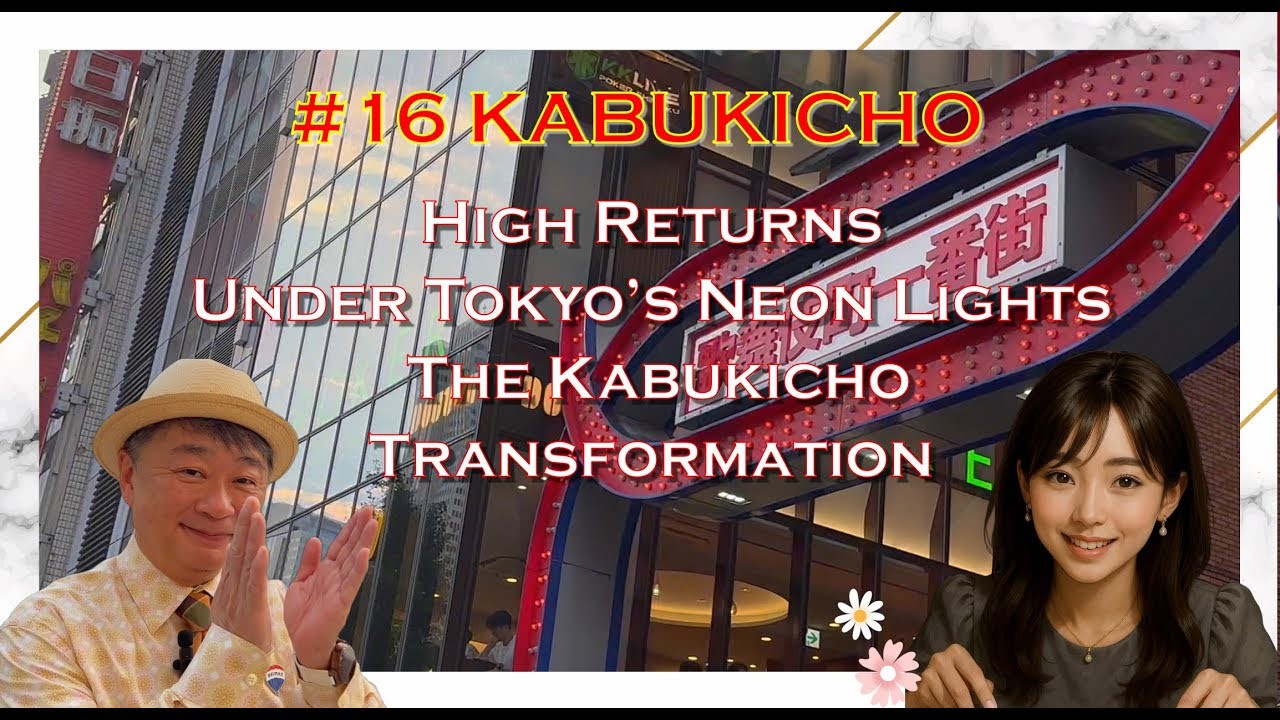
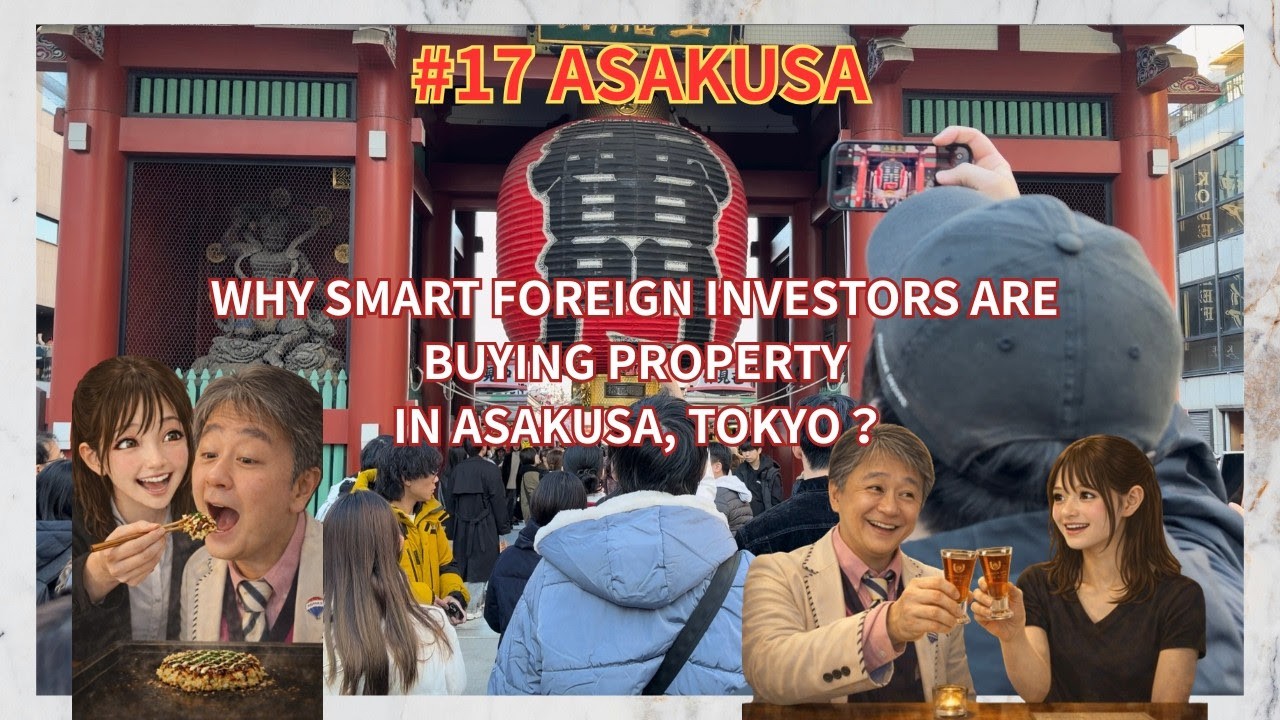
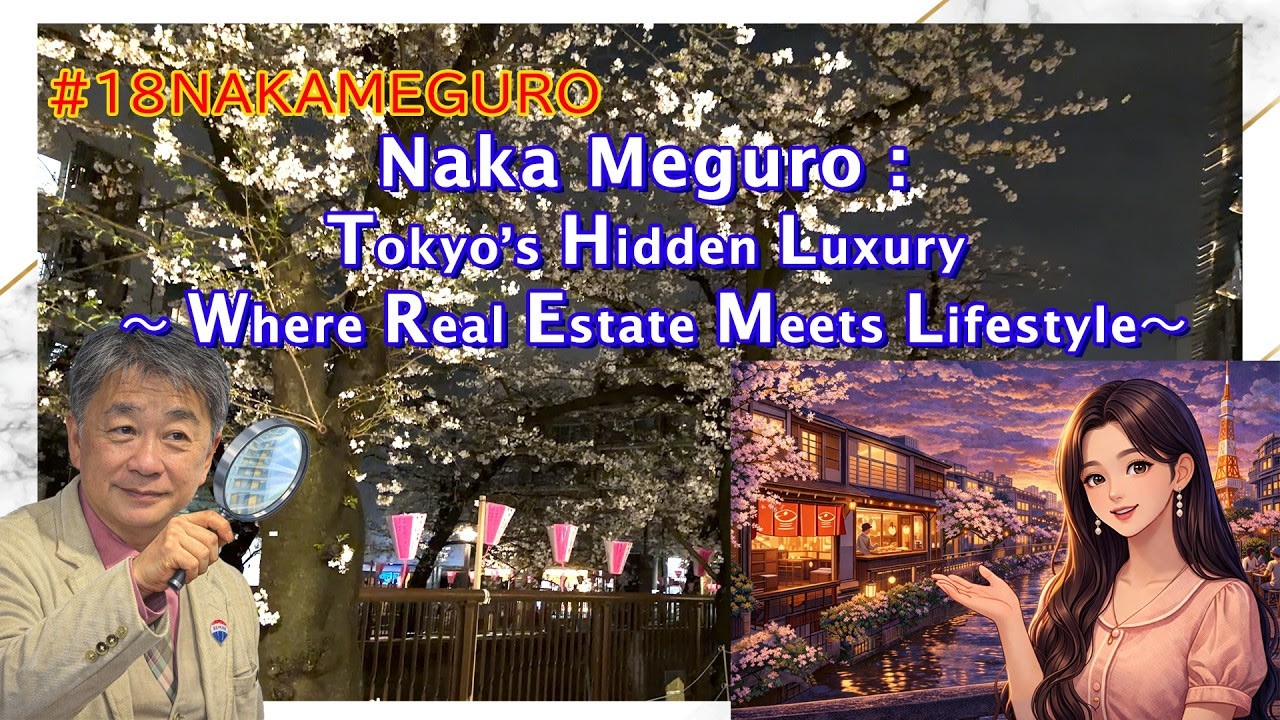
In addition, I operate a YouTube channel that introduces various areas and neighborhoods of Tokyo. I believe that presenting myself openly as a visible and approachable agent while sharing information globally is another distinctive aspect of my work.
Among the transactions you have handled so far, is there one particular case or episode that has remained especially memorable to you?
One transaction that remains particularly memorable was my very first successful deal as a RE/MAX agent. The client was an American living in the United States who initially wanted to purchase a second home in central Tokyo, specifically in Shinjuku Ward, which is often considered one of the most desirable and conventional choices for overseas buyers.
However, the property the client ultimately selected was located in Machiya, Arakawa Ward. Although the nearest station was just outside the Yamanote Line area, the transportation access was excellent, and the property offered an outstanding balance of location, building age, size, facilities, and price.
At the time, I had assumed that foreign buyers purchasing property in Tokyo would naturally prioritize ultra central districts such as Minato Ward. Yet through this experience, I realized that many buyers actually place greater value on overall balance and practicality rather than simply choosing the most famous central locations. It was an important lesson for me and significantly broadened my understanding of what international clients truly seek in the Tokyo real estate market.
When working with foreign clients, what kinds of difficulties or challenges do you most often encounter?
In recent years, I have noticed that clients are asking increasingly sharp and detailed questions even at the very first stage of inquiry. I believe many of them are using AI tools to research topics such as “What should I check before purchasing real estate in Japan?” As a result, I sometimes receive questions that even Japanese clients rarely ask.
Of course, being cautious is extremely important. However, there are cases where clients become so cautious that they start looking for reasons not to buy. In reality, no property is perfect. Every property involves a balance of advantages and disadvantages, and helping clients understand and accept that balance is one of the greatest challenges in this business.
How do you see the role and activity of foreign investors evolving in Japan’s real estate market going forward?
As I mentioned earlier, the rapid spread of AI has made it much easier for foreign investors to gather information independently. I believe this is helping create an environment in which overseas buyers can invest in Japanese real estate with greater confidence. Even complex Japanese contracts can now be translated and reviewed independently, which was much more difficult in the past.
At the same time, I am seeing a growing number of people who want to purchase property in Japan not simply as an investment, but because they genuinely love the country itself. One of the greatest pleasures of visiting Japan is undoubtedly the dining experience at restaurants. That is why, whenever I introduce neighborhoods on my YouTube channel, I always make a point of recommending several restaurants as well.
In addition, as a personal hobby, I have updated a gourmet blog every single day for nearly 20 years. People experience what I would call “delicious Japan,” fall in love with the country, and eventually decide to purchase real estate here as a natural extension of that connection. I believe this lifestyle-driven demand will continue to grow in the years ahead.
Profile Introduction(from RE/MAX Japan)
After graduating from Aoyama Gakuin University, Faculty of International Politics, Economics, and Business, engaged in aircraft finance, syndication loans to banks, and mortgage loans mainly to the EU and USA at Sumitomo Trust Banking Group, with nearly 40 years of international business experience worldwide, visiting more than 50 countries on more than 400 business trips. As an expat, lived in Amsterdam for 3 years, Bangkok for 2 years, and Shanghai for 2 years.
Not only as a licensed real estate agent but also as a successful investor of real estate, having 6 properties in total, 3 in Tokyo, 1 in Yokohama, 1 in Kawasaki, and 1 in Hiroshima, supporting you from the point of view of the investor.
With my rich knowledge and experience, I can help you invest in properties in Tokyo.
As a licensed agent in Japan, the company focuses on helping buyers, including expatriates, overseas investors, and clients seeking luxury residences and second homes. That combination is very aligned with a foreign buyer choosing a condo they may personally use and care about from a lifestyle perspective, not just yield.
For International clients, high-value residential and commercial properties.
Related URLs
https://tokyo-realestate.jp/
https://www.youtube.com/@Tokyo-Realestate
https://ameblo.jp/ningenfusha/
(A gourmet blog updated every day for 20 years)