Japan Eyes Taiwan's Booming Premium Pet Food Market
Japan is stepping up efforts to expand pet food exports to Taiwan, one of Asia's fastest-growing premium pet markets, as domestic demand continues to soften.
Japanese apparel and reuse companies are accelerating their expansion across Asia as demand for sustainable fashion continues to grow. Rather than competing solely on price, they are leveraging the reputation of "Used in Japan" products—well-maintained secondhand clothing known for their quality, authenticity, and careful inspection.
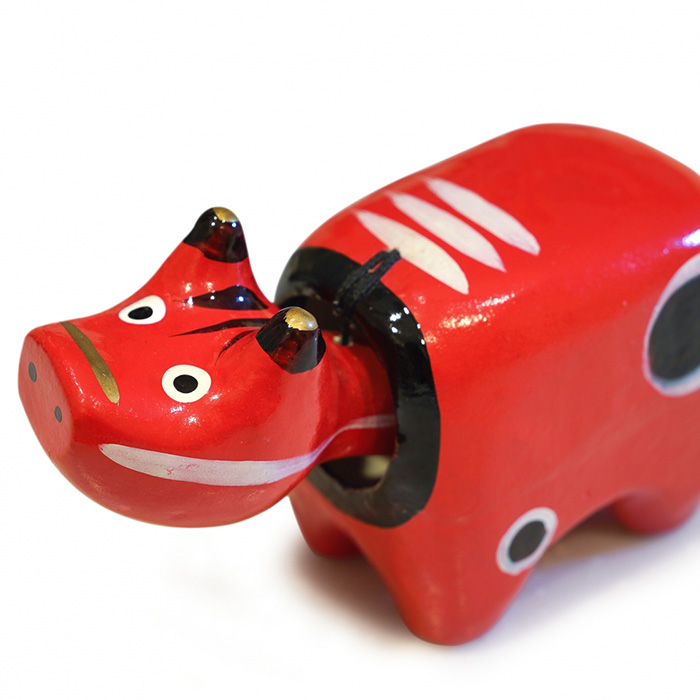
Dai Nippon Printing (DNP) is launching a new initiative to introduce Japan's traditional crafts to overseas audiences by combining them with globally popular anime intellectual property (IP).
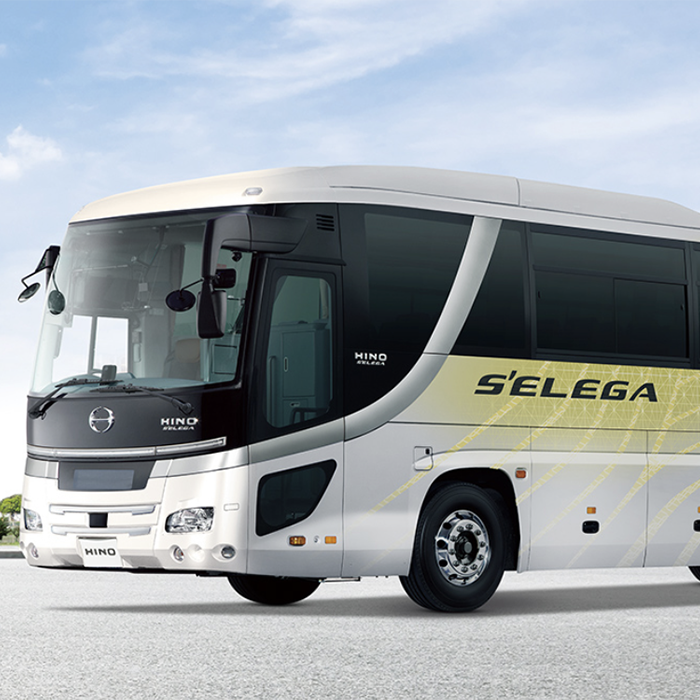
Hino Motors has introduced an upgraded version of its flagship touring coach, the Hino Selega, featuring a suite of advanced safety technologies to enhance passenger protection, reduce collision risk, and support drivers in emergency situations.
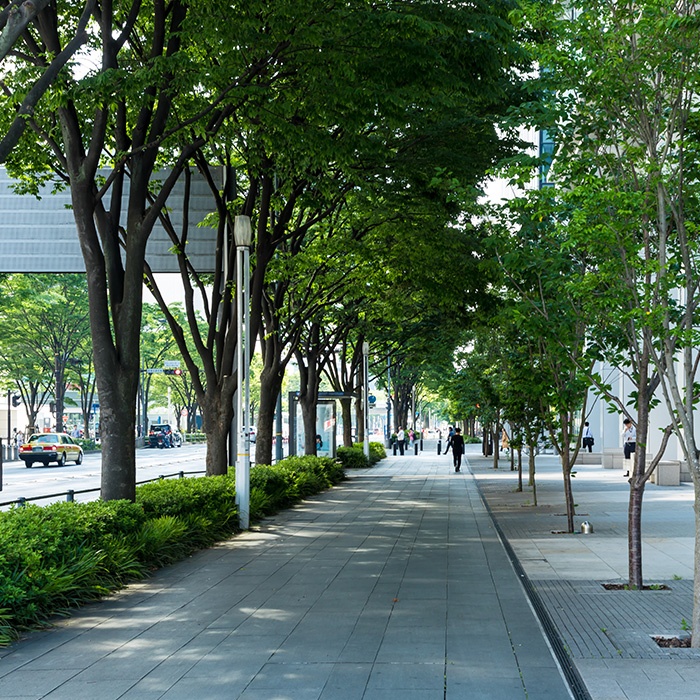
As climate change intensifies summer heat worldwide, many global cities are expanding urban greenery to create cooler, more livable environments. Japan, however, appears to be moving in the opposite direction.
Japanese anime has become one of the country’s most powerful global cultural assets. From Europe and North America to Southeast Asia and Latin America, audiences enthusiastically consume Japanese stories, characters, and visual culture.
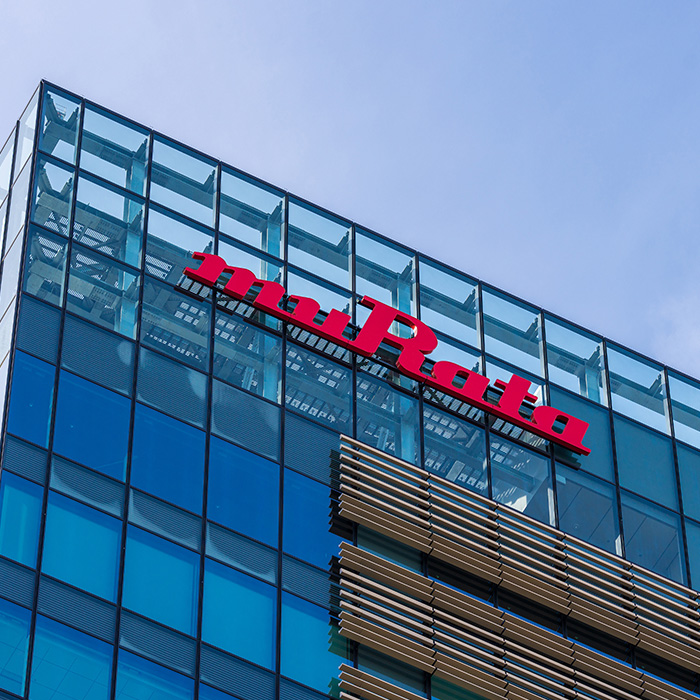
Japan’s Murata Manufacturing is strengthening its intellectual property strategy as competition intensifies with rivals from South Korea and China.
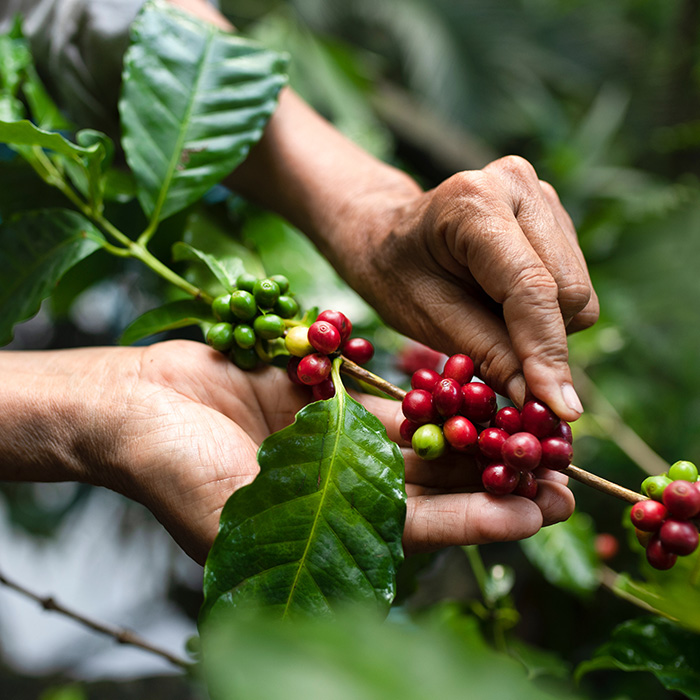
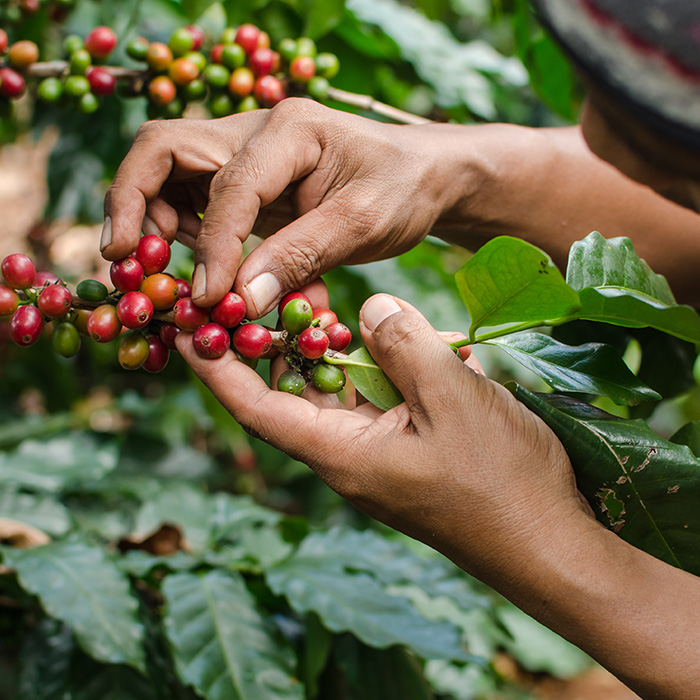
Coffee cultivation is beginning to take root across Japan in ways few would have imagined a decade ago.
Maruti Suzuki India, the Indian subsidiary of Suzuki Motor Corporation and the country’s largest passenger car manufacturer, announced consolidated financial results for the fiscal year ended March 2026, reporting a record net profit of 146.7 billion rupees (approximately ¥248 billion), up 1 percent from the previous year.
Daiwa House Industry announced on May 7 that it has acquired United Homes, a U.S. company specializing in single-family homes, in a deal estimated at several tens of billions of yen.
Microsoft announced on April 3 that it will invest US$10 billion, approximately ¥1.6 trillion, in Japan over the next four years to expand its data centers and artificial intelligence infrastructure.
Japanese convenience store giant Lawson is entering the Indian market, aiming to open its first stores in Mumbai in 2027 and expand to 100 locations by 2030.
Japanese electronics retailer Nojima Corporation is introducing a new hiring program that offers a monthly starting salary of ¥400,000 to high-performing part-time staff transitioning into full-time employment.
Japan’s major café chains are rapidly shifting their expansion strategies from directly operated stores to franchise-based models as rising construction costs, labor shortages, and intensifying competition reshape the food service industry.
The surge in egg prices in Japan shows no sign of slowing down. Retail prices are now about 20 percent higher than a year ago, surpassing even the levels seen during the so-called “egg shock” of 2023 and reaching record highs.
In Japan’s convenience stores, perfection has long been judged by what is visible on the shelf, not by what is missing.
Panasonic’s first commercial target is sensors attached to robotic arms in factories. Today, these sensors rely on wiring or batteries, both of which create operational challenges.
In 2026, the global technology industry will pivot from the race to build ever-larger generative AI models toward a more practical question: how artificial intelligence will actually be embedded in devices and daily life.
Starting in 2026, SoftBank will build a new high-speed communications network integrating mobile base stations with artificial intelligence platforms. The system will handle both communications control and AI data processing simultaneously, enabling local AI operations without relying on large-scale centralized data centers.
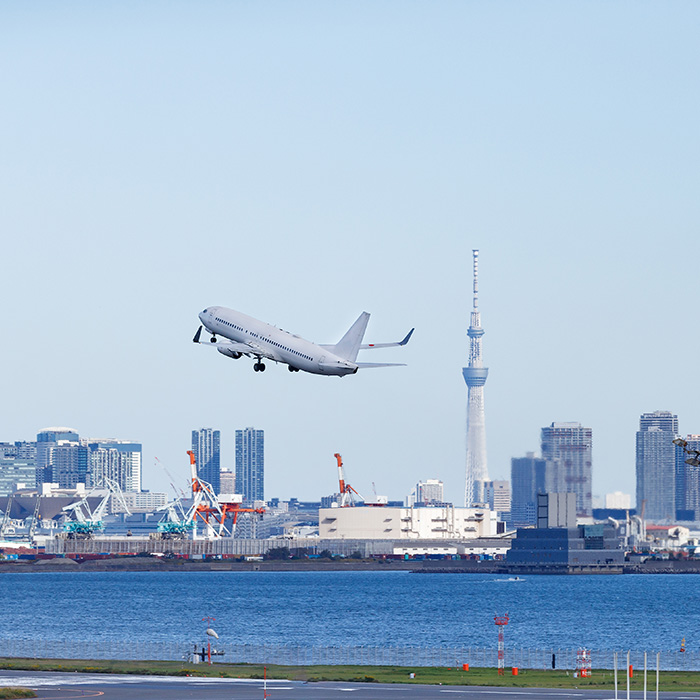
The Ministry of Land, Infrastructure, Transport and Tourism (MLIT) plans to build a new international flight zone at Haneda Airport’s Terminal 1. The project will begin with the construction of additional parking stands for international aircraft in the 2030s, followed by the conversion of part of the domestic flight area at Terminal 1 for international use.
In 2026, Seven-Eleven Japan will partner with Mitsui to improve the soil and regenerate coffee bean farmland in Brazil, expanding the area by approximately 10 times compared to the previous year.
The Agency for Cultural Affairs is stepping up efforts to boost exports of Japanese manga by harnessing artificial intelligence.