February 5, 2026
Hospitality Alone Is No Longer Enough: What Experiential Travel Reveals About Japan
From Hospitality to Experience
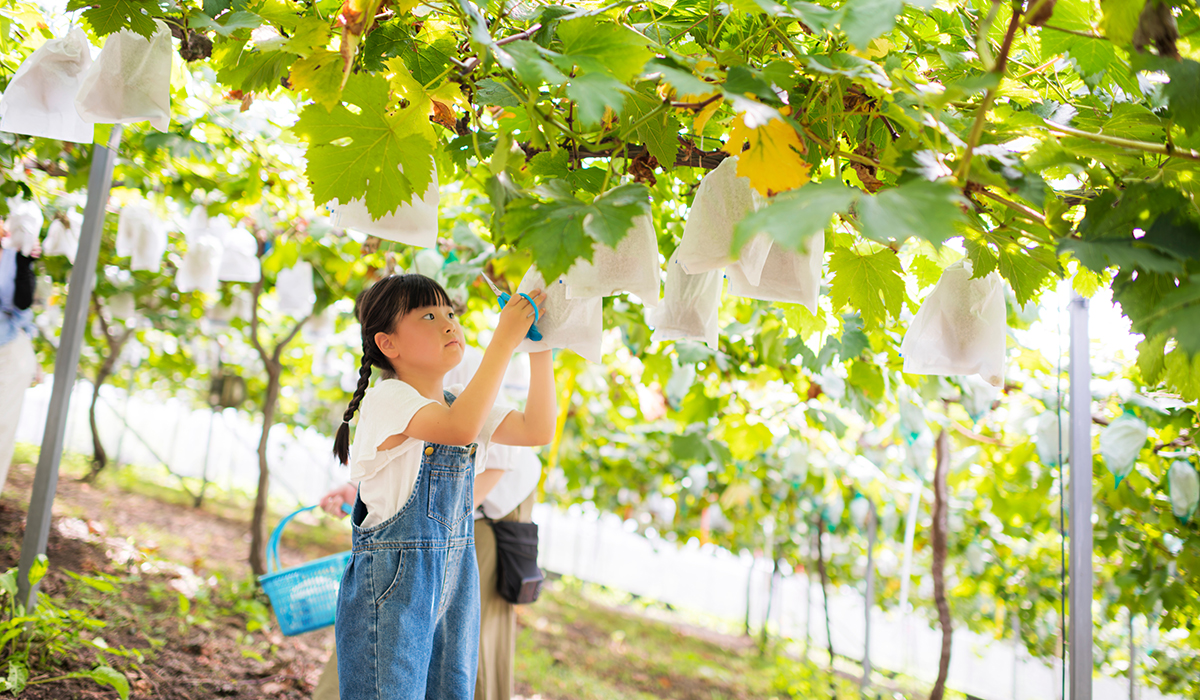
Japan’s hospitality has long been admired, and rightly so. Its precision and attentiveness are often held up as a global benchmark. But it is no longer sufficient to assume that hospitality alone defines the visitor experience. What international travelers now seek is something deeper. Not simply to be welcomed, but to be engaged. Not only to be served, but to be part of a place. Experiential travel, often described as adventure travel, reflects this shift. It prioritizes participation over observation and meaning over movement. This is not a niche trend. It is becoming the mainstream expectation.A Model That No Longer Fits
Against this backdrop, Japan appears to be lagging behind. The country continues to rely on a model centered on mass tourism. The well-established routes linking Tokyo, Kyoto, and Osaka still dominate itineraries. These are, of course, essential gateways, but they are no longer enough to satisfy travelers who increasingly look beyond landmarks.From my perspective, the issue is not that Japan lacks content. On the contrary, it is rich in nature, culture, and local narratives. The real issue is that these assets are not yet structured or delivered in a way that aligns with how the world now travels.
In short, the gap is not in resources, but in readiness.
The Missing Link: People
If experiential travel is to take root, the role of guides becomes central. They are not simply interpreters of language, but interpreters of place. They shape how visitors understand and connect with what they encounter. Here, Japan faces a structural challenge. The current system places strong emphasis on language and historical knowledge, but practical, field-based competencies are uneven. Skills such as safety management, environmental awareness, and real-time decision making in remote settings are not yet consistently embedded.This is not a marginal issue. International operators are increasingly attentive to these standards, and some are already questioning whether Japan can fully support experiential itineraries globally. At the same time, the profession itself remains fragile. Guiding is often seasonal, freelance-based, and not sufficiently compensated to sustain long-term careers. The pandemic accelerated the outflow of talent, and in many regional areas, the shortage has yet to be addressed. If Japan is serious about experiential tourism, investing in people is no longer optional. It is foundational.
Why This Matters Now
It would be easy to assume that Japan’s current inbound momentum is a sign that the system is working. Visitor numbers are rising, supported by favorable exchange rates and post-pandemic demand. But this is precisely why the current moment requires caution. External conditions can change quickly. Currency advantages will not last indefinitely.More importantly, the profile of visitors is changing. A growing number are repeat travelers. They are not returning for the same itinerary. They are looking for depth, for connection, for something that feels uniquely rooted in place. If these expectations are not met, the risk is not an immediate decline in numbers, but a gradual loss of relevance.
A Strategic Opportunity for Japan
Seen differently, this is also a significant opportunity. Experiential travel offers Japan a pathway to rebalance tourism. It can disperse demand beyond major cities, reduce pressure on over-visited destinations, and create higher value through more meaningful engagement. But perhaps its greatest value lies elsewhere. It has the potential to reposition tourism itself, from a model of consumption to one of exchange.Japan already possesses a powerful foundation in its culture of hospitality. The question now is how that foundation is built upon. In today’s global tourism landscape, hospitality without experience is incomplete. The issue is no longer whether visitors will come. It is whether Japan can evolve, in time, to meet the way the world now travels.