December 30, 2025
Japan Struggles to Catch Up in Experiential Tourism as Visitor Needs Shift
Guide Training Falls Short of Global Standards, Putting a 70 Trillion Yen Market at Risk
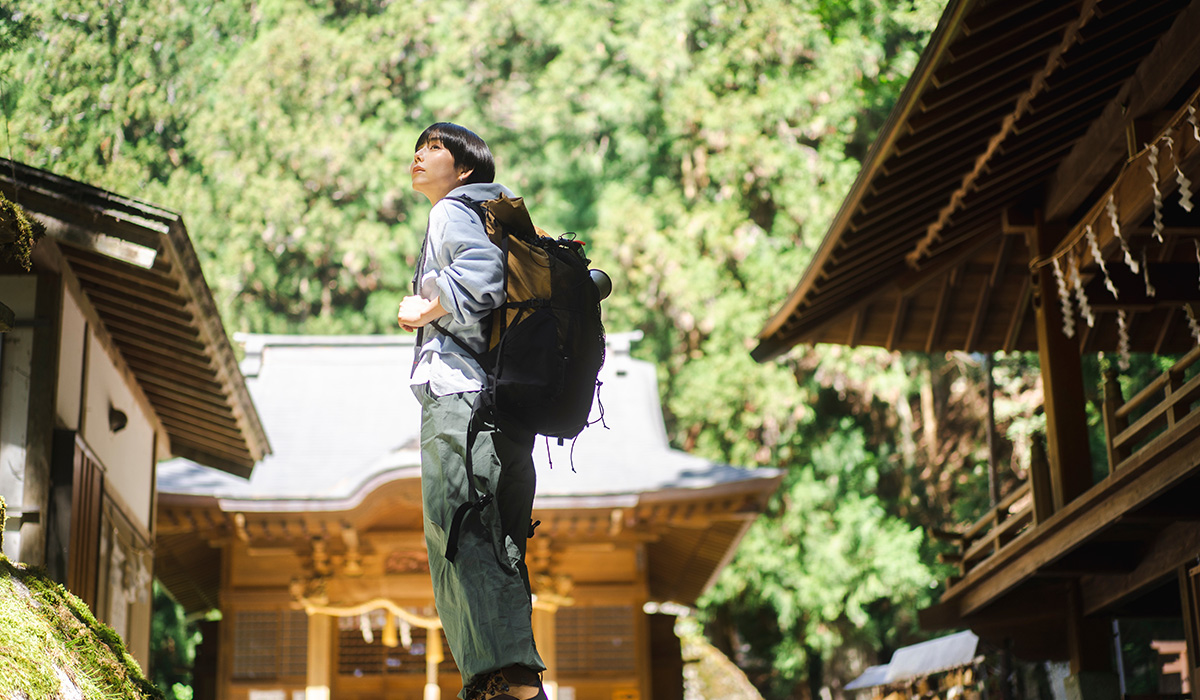
As inbound tourism to Japan rebounds to record levels, a growing mismatch is emerging between what international travelers seek and what Japan’s tourism industry continues to offer. While visitors from Europe, North America, and Australia increasingly favor adventure travel, which combines nature-based activities with immersive cultural experiences in small group formats, Japan remains heavily dependent on traditional sightseeing centered on Tokyo, Kyoto, and Osaka. This lingering Showa era model risks undermining the long-term sustainability of the industry.A Certification System Out of Step with Global Practices
Adventure travel, often referred to as AT, represents a global market estimated at around 70 trillion yen in value. It attracts fewer participants per tour but generates high spending per traveler, making it well suited to rural regions with limited infrastructure. The Japan National Tourism Organization has positioned AT as a pillar of future growth, yet the country lacks the human resources needed to support it.In leading AT destinations, guides are required to master wilderness first aid, environmental conservation practices such as Leave No Trace, and the physical skills necessary for activities in mountains or remote areas where immediate rescue is not available. In Japan, however, the national qualification system for licensed guides emphasizes language proficiency and academic knowledge of history and culture, with no practical skills examination and only minimal renewal requirements. As a result, essential competencies such as emergency response and outdoor risk management are not systematically ensured.
From Mass Tourism to High Value Experiences
This gap is already affecting Japan’s competitiveness. Some overseas tour operators say they cannot send customers to Japan without guides who hold recognized qualifications in environmental stewardship and wilderness medicine. The shortage of qualified personnel is compounded by unstable working conditions for guides, many of whom cannot rely on guiding as a year-round profession. The COVID-19 pandemic accelerated retirements and business closures, leaving rural areas with only a small pool of younger talent capable of handling adventure programs.Other Asian economies are moving faster. Taiwan introduced the principles of Leave No Trace into school education in the 2000s, and related organizations operate across China, India, and the Philippines. Japan’s first such organization was established only in 2021. Hokkaido is now leading domestically with its own certification framework that combines outdoor skills, language proficiency, and professional experience.
An international AT forum in Hokkaido in 2023 highlighted both Japan’s appeal and its limitations. While participants praised the country’s natural landscapes and distinctive culture, they criticized the tendency of local authorities to promote only their own attractions rather than developing routes that span multiple regions. A new nationwide tour operator founded in 2025 aims to address this by marketing integrated adventure itineraries across prefectural borders.
Japan is enjoying a tourism windfall thanks to the weak yen, but this boom may prove temporary. A stronger currency or a global economic slowdown could quickly cool demand. Unless Japan shifts decisively away from mass tourism and invests in globally aligned guide training, today’s success risks becoming another missed opportunity rather than the foundation for a mature and resilient tourism industry.