October 25, 2025
When a Shopping Bag Becomes a Lifeline, Phase Free Design in Action
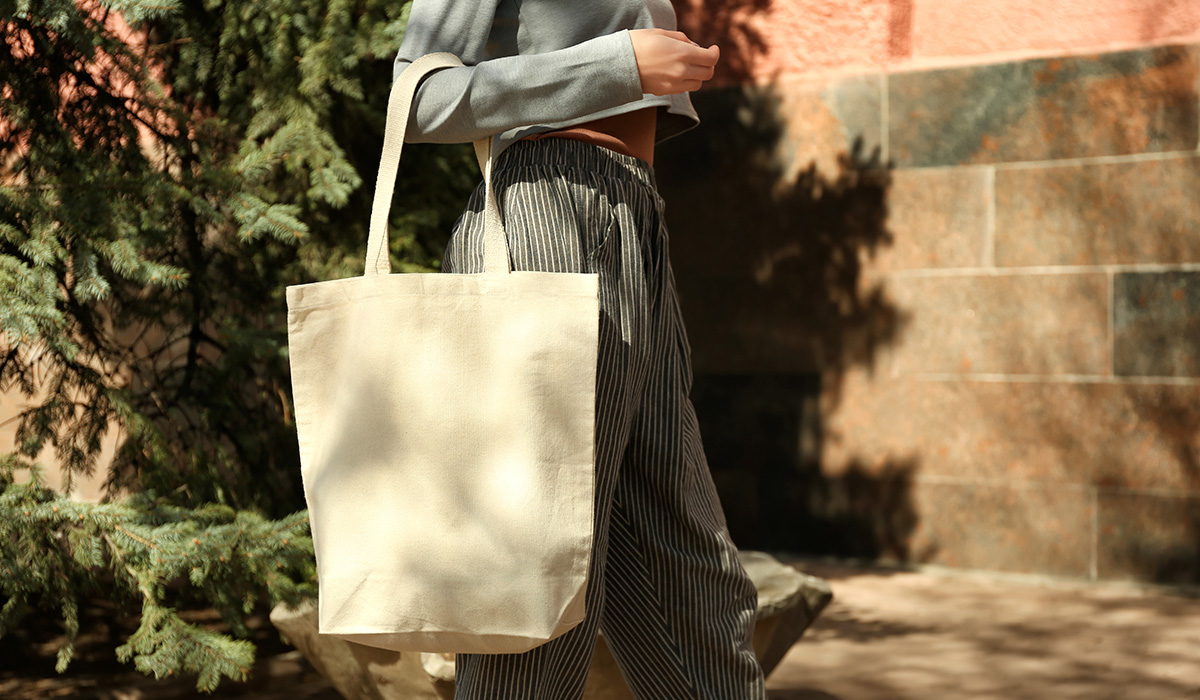
Yet their actual value emerges in emergencies. Each bag can hold up to 6 liters of water, effectively transforming into a temporary bucket. The fabric is double-layered, and the interior has no seams, preventing leakage and ensuring durability when water infrastructure is disrupted.
From Everyday Convenience to Emergency Infrastructure
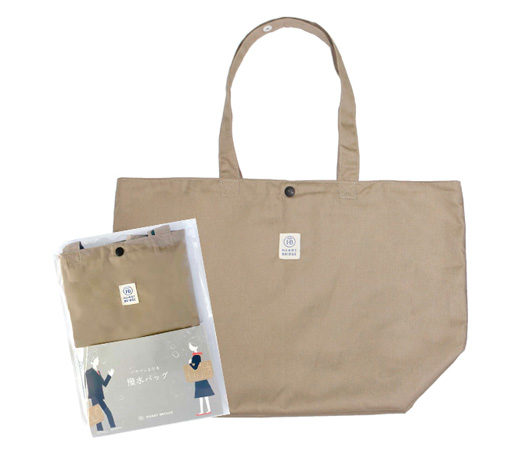
Photo from Sanwa website
Tadayuki Sato, Representative Director of the Phase Free Association, stresses that usefulness in daily life is the key to widespread adoption. “A product must first enrich everyday living. Only then will people naturally keep it close at hand when disaster strikes,” he says. Founded in 2018, the association has certified approximately 200 products as phase-free as of February 2025.
The phase-free concept is also reshaping public policy. In Koshimizu Town, Hokkaido, the local government has established a disaster prevention complex called “Watashino” at the town hall. The facility includes a coin-operated laundry, a fitness gym, and a café, providing residents with everyday amenities while also serving as an evacuation center during emergencies.
The project was inspired by the town’s experience during the 2018 Hokkaido Eastern Iburi Earthquake, when a power outage lasting more than 40 hours severely disrupted daily life. In a region where winter temperatures can fall below minus 20 degrees Celsius, a prolonged blackout can quickly become life threatening.
The lessons are reinforced by history. The Great East Japan Earthquake exposed vulnerabilities in food and fuel supply chains, underscoring the importance of daily preparedness. With the government’s Earthquake Research Committee estimating an approximately 80 percent probability of a Nankai Trough Earthquake within the next 30 years, the urgency is apparent. Building a society that is resilient to disaster must begin not with extraordinary measures, but with the ordinary choices we make every day.