November 17, 2025
CP Group and NH Foods Launch Joint Venture to Capture Thailand’s Japanese Food Boom
New Company Targets Processed Pork Products and Southeast Asian Expansion
Thailand’s largest conglomerate, Charoen Pokphand (CP) Group, and Japan’s leading meat producer, NH Foods, are teaming up to seize the fast-growing market for Japanese cuisine in Thailand. The two companies announced on October 29 that they will establish a new joint venture to develop and market processed food products, with an eye on expanding across Southeast Asia as the region’s middle class continues to grow. “This will be an important step for Thailand’s food industry,” said Prasit Pokphand, CEO of Charoen Pokphand Foods (CPF), the group’s core food subsidiary, at a press conference in Bangkok. NH Foods President Nobuhisa Ikawa, who also attended the event, described CPF as “the best possible partner.”The partners will establish a new company, CPF NH Foods, in November 2025. CPF will hold a 51 percent stake, while NH Foods will own the remaining 49 percent. The joint venture builds on the business partnership formed in December 2024 and marks the start of a full-scale push into Thailand’s processed food market.
Focus on Pork Products and Powerful Retail Channels
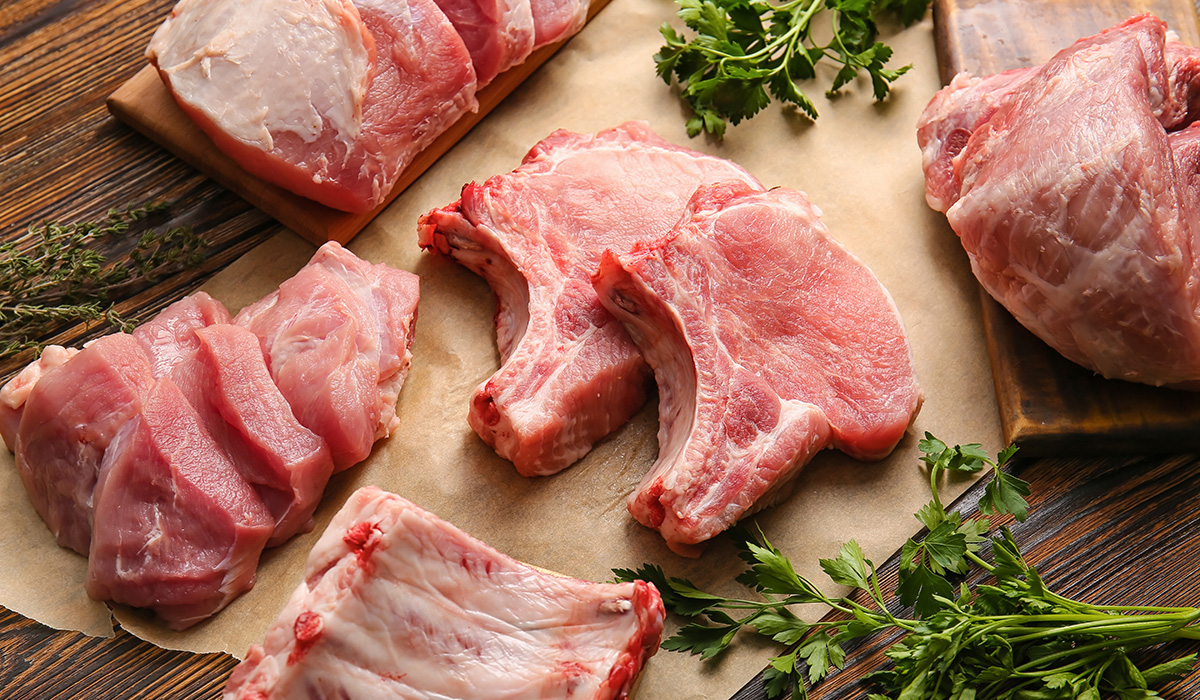
The new company will focus on the joint development of pork-based products such as roast pork and braised pork. Production will take place at CPF’s manufacturing facilities in Thailand, and distribution will leverage the group’s extensive domestic sales network. The companies are expected to consider sales through more than 15,000 7-Eleven convenience stores operating in Thailand and neighboring countries, as well as through the Lotus mass retail chain. By deepening the partnership, the two firms aim to expand the presence of NH Foods’ processed products in Thai retail outlets, targeting sales of 3 billion baht, around 14 billion yen, by 2030.Japanese Food Emerges as a New Growth Engine
Japanese cuisine is gaining traction across Thailand and Southeast Asia, fueled by the spread of Japanese food culture and rising health awareness. Whereas Japanese brands were once closely associated with durable consumer goods such as home appliances and automobiles, those sectors are increasingly dominated by Chinese and Korean competitors. Food has now emerged as a new pillar of Japan’s overseas business strategy.According to the Japan External Trade Organization (JETRO), the number of Japanese restaurants in Thailand is expected to reach 5,916 in 2024, up from 2,200 in 2014, a 2.6-fold increase. Thai retail and restaurant groups are also stepping up their offerings of Japanese food. Major consumer goods group Saha has expanded its lineup at Lawson convenience stores to include items such as onigiri rice balls. At the same time, conglomerate Central Group plans to accelerate the rollout of premium outlets in partnership with the set meal restaurant chain Ootoya.
Despite the popularity of Japanese cuisine, personal consumption across Southeast Asia remains sluggish, weighing on local food companies. CPF’s consolidated sales for the fiscal year ended December 2024 are projected to fall 1 percent year on year to 580.7 billion baht, with the Thai market accounting for just over 30 percent of total revenue.
Competition is intensifying as domestic rivals such as Betagro Group and global canned tuna leader Thai Union Group aggressively pursue high-value-added food segments. By strengthening its alliance with NH Foods, CP Group hopes to sharpen its product development capabilities and regain growth momentum in an increasingly competitive market.