May 28, 2026
Japan’s Disappearing Shade: Urban Trees Decline as Cities Heat Up
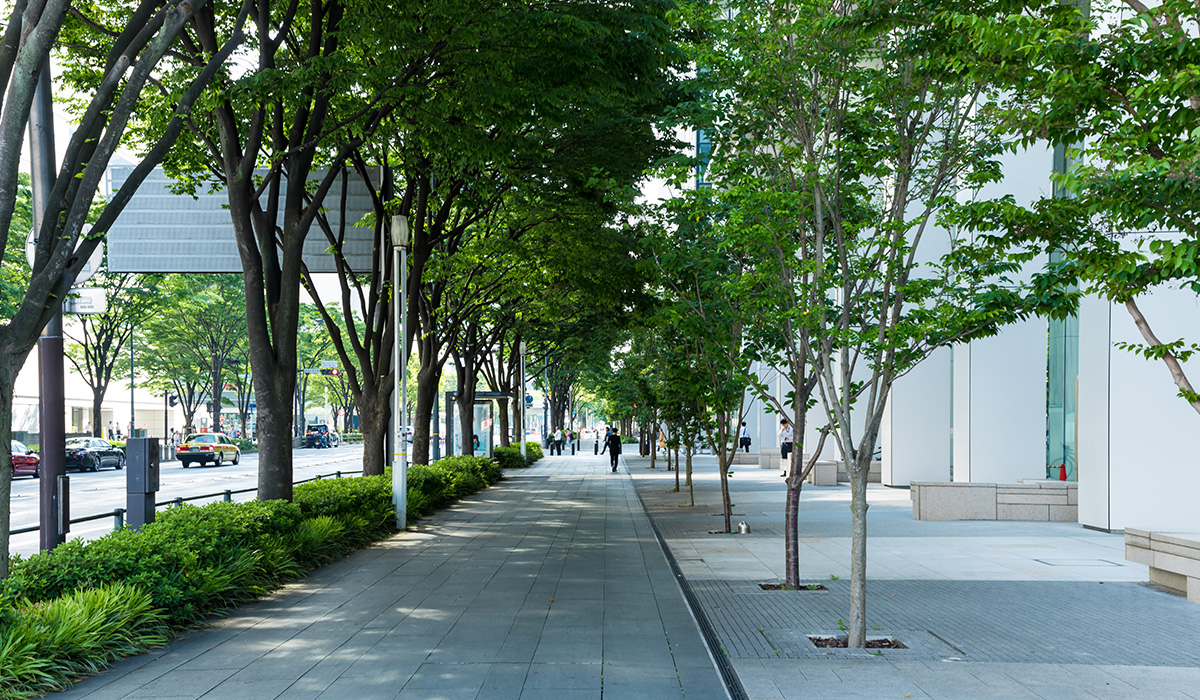
As climate change intensifies summer heat worldwide, many global cities are expanding urban greenery to create cooler, more livable environments. Japan, however, appears to be moving in the opposite direction.
In Tokyo’s 23 wards, urban shade equivalent to approximately 256 Tokyo Domes has disappeared over the past nine years. According to research by the University of Tokyo, the percentage of land covered by tree canopy fell from 9.2% in 2013 to 7.3% in 2022. Despite iconic green spaces such as the Imperial Palace and Shinjuku Gyoen National Garden, Tokyo remains far behind other major cities in urban tree coverage.
Recent international comparisons show tree canopy coverage rates of 23.4% in New York, 19.8% in Sydney, and 17.6% in Paris. Even Phoenix, Arizona, a desert city known for extreme heat, recorded a higher coverage rate than Tokyo.
Aging Society and Urban Redevelopment
One major reason behind the decline is Japan’s aging society and changing urban landscape. As inheritance cases increase, many families subdivide inherited land, sell properties, or construct apartment buildings. In the process, garden trees are often removed.Street trees are also disappearing. According to Japan’s National Institute for Land and Infrastructure Management, the number of street trees nationwide peaked at 6.79 million in 2002 but had fallen by approximately 500,000 by 2022. Budget pressures on municipalities are another factor. Some cities remove aging trees but cannot afford to replant them.
At the same time, cities are increasingly choosing tree species that require less maintenance. Dogwood trees, for example, have tripled in number over the past 30 years because they grow slowly and require less maintenance, helping reduce costs. However, they provide relatively limited shade compared to larger canopy trees.
Trees as Climate Infrastructure
The reduction of urban greenery comes at a critical moment. Research from the University of Calgary found that increasing shade coverage by 30% in hot urban areas could reduce temperatures by up to 1.5 degrees Celsius.Recognizing this, many overseas cities are strengthening policies to expand greenery. Paris aims to make 30% of the city green by 2030, while New York City targets 30% tree canopy coverage by 2040. Some cities even restrict tree cutting on private property.
Trees are no longer viewed simply as decoration. They help cool cities, help reduce flood risks through water retention, improve public health, and enhance urban attractiveness. Japan’s government has also begun promoting the concept of “green infrastructure,” yet practical implementation remains limited.
Experts argue that municipalities must better collect and share data on urban trees while clearly communicating the measurable benefits of greenery to residents and businesses.
As climate change accelerates, urban trees are becoming essential infrastructure rather than optional landscaping. Japan now faces an urgent challenge: how to redesign its cities to remain sustainable, resilient, and livable in an era of intensifying heat.