May 1, 2026
Japan’s Domestic Coffee Boom, A New Agricultural Frontier
From Imported Commodity to Local Specialty
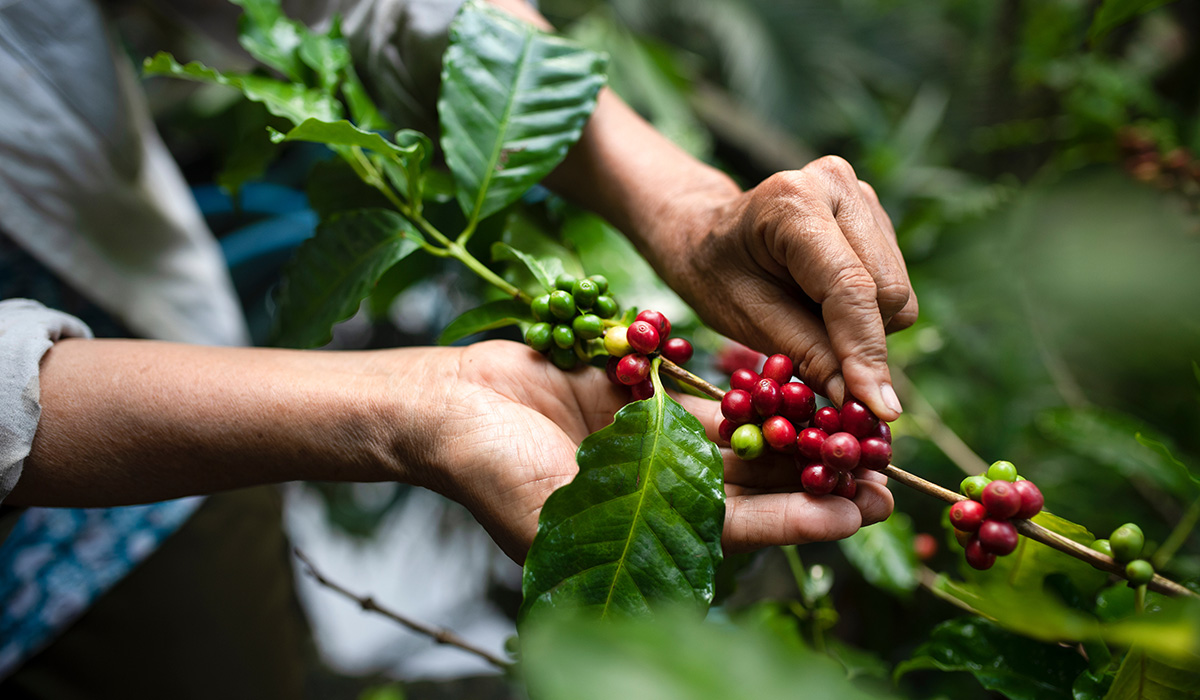
Coffee cultivation is beginning to take root across Japan in ways few would have imagined a decade ago. While Okinawa has long been known for small-scale outdoor coffee farming, a new movement is emerging on the Japanese mainland: greenhouse coffee cultivation led by companies from entirely different industries.
Behind this trend lies a combination of agricultural challenges and business opportunities. As abandoned farmland expands and aging farmers struggle to find successors, some landowners are turning to coffee cultivation as a potentially high-value alternative. At the same time, rising global coffee prices and concerns over future climate impacts on traditional producing regions are making domestic production more attractive.
One notable example is in Soja City, Okayama Prefecture, where Osaka-based oil company Nichibei United entered coffee farming as part of its diversification strategy. Inside a greenhouse, more than 1,100 Arabica Typica coffee trees are being cultivated with the goal of producing premium “specialty coffee.” The company plans not only to sell rare domestically grown coffee at luxury prices, but also to create tourism experiences linked to harvesting and local sake fermentation collaborations.
Supporting this expansion is Yamako Farm in Okayama, which supplies seedlings and cultivation know-how nationwide. The company developed a “freeze-thaw awakening method” that improves yields and makes greenhouse coffee cultivation more viable in Japan’s climate. Since 2020, it has reportedly supplied around 10,000 seedlings to businesses across the country. Other companies are also experimenting creatively. A container recycling company in Saitama is reducing greenhouse gas emissions through the reuse of materials, while a glass manufacturer in Aichi is utilizing factory waste heat for cultivation.
Still, the industry remains highly experimental. Heating failures, unstable yields, and high initial investment costs continue to present serious risks. Domestic coffee production is also tiny compared to Japan’s annual consumption. Yet despite these challenges, Japan’s emerging coffee farms represent something larger: a search for new models of regional revitalization, agricultural sustainability, and premium local branding in an era of global uncertainty.