July 15, 2026
Japan's Grass-Fed Dairy Revolution (Part 1)
Why More Farmers Are Letting Cows Do the Work
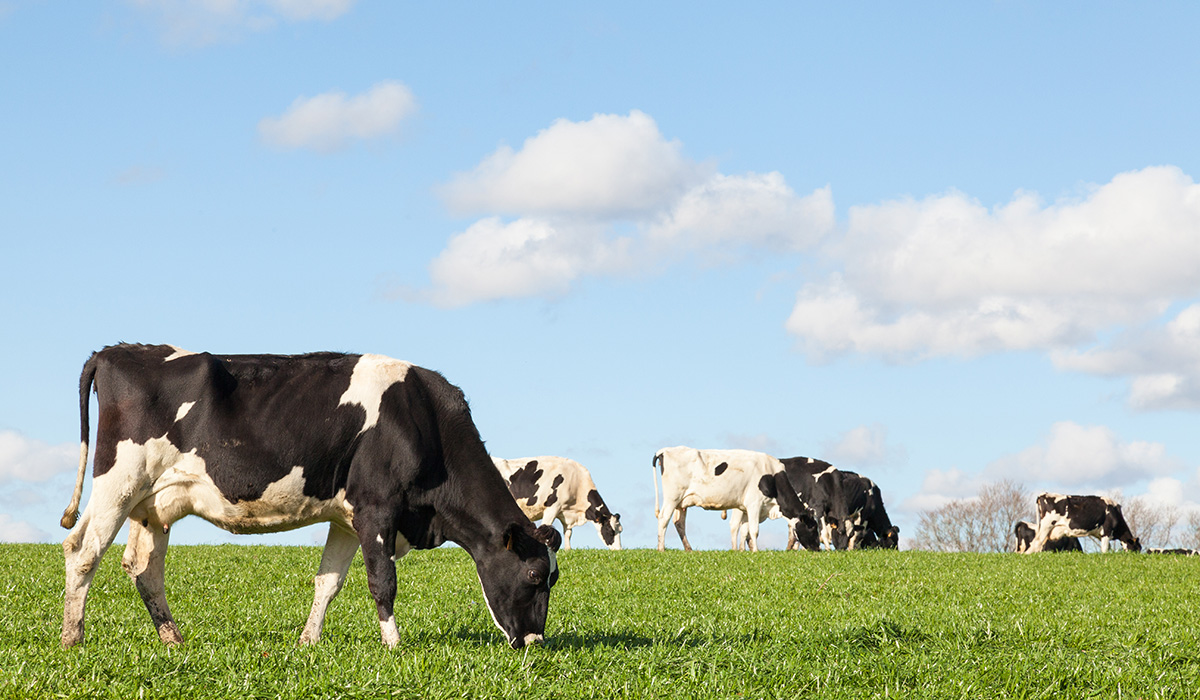
For many international visitors, Japan's countryside evokes images of green pastures where dairy cows peacefully graze beneath wide blue skies. Surprisingly, that picture reflects only a small part of today's Japanese dairy industry. Most dairy cows in Japan spend their lives inside barns, fed primarily on imported grain and carefully managed feed. This production model has helped ensure stable milk quality and year-round supply, but it has also made farmers increasingly vulnerable to rising feed prices, labor shortages, and changing consumer expectations.Today, however, a quiet transformation is taking place. Across Hokkaido and several other regions, a growing number of dairy farmers are rediscovering the value of grazing—not as a nostalgic return to the past, but as a practical strategy for building a more sustainable future.
Rethinking Efficiency
One of the pioneers is Hiroo Takahara, owner of Takahara Farm in Hokkaido's northern town of Teshio. Before becoming a dairy farmer, Takahara worked for Toyota Motor Corporation, where continuous improvement and operational efficiency were part of everyday business. When he inherited the family farm nearly two decades ago, he questioned one long-established practice."Why should people spend all day cutting grass, transporting feed, and carrying it to cows, when cows can simply walk to the grass themselves?"
That simple question changed everything. Rather than relying on barn feeding throughout the year, Takahara gradually shifted to a grazing-based system. Except during Hokkaido's snowy winter months, his cows spend their days and nights outdoors, moving between carefully managed pasture sections where fresh grass is available. The idea may sound simple, but successful grazing requires sophisticated management.
Pastures are divided into multiple paddocks, and cows are moved regularly to ensure that grass has enough time to recover. Specialized equipment measures pasture height and available biomass, allowing the farmer to decide precisely when and where cattle should graze. Instead of maximizing milk production per cow, Takahara focuses on something quite different: profitability per hectare of pasture. That change in perspective has transformed his business.
After participating in a grazing project jointly supported by New Zealand experts and the Hokkaido Government, his farm more than doubled its income while reducing annual working hours by approximately 30 percent. Less time is spent transporting feed and handling manure, leaving more time for family, hobbies, and long-term farm management.
A Different Measure of Success
Japan currently has around 11,000 dairy farms, yet only a small percentage practice true pasture-based dairy farming. For decades, indoor feeding with imported grain has been considered the most efficient way to maximize milk production and maintain consistent quality. But recent years have exposed the vulnerabilities of that model.The depreciation of the Japanese yen and global feed price increases have dramatically raised production costs. At the same time, Japan's dairy sector faces an aging workforce and an increasing shortage of successors willing to continue the business. Against this backdrop, grass-fed dairy farming is attracting renewed attention. Although cows grazing mainly on pasture generally produce less milk than grain-fed animals, significantly lower feed costs can offset the reduction in production. Many farmers are discovering that maximizing volume does not necessarily maximize profit.
Equally important, grazing also improves working conditions. Instead of performing physically demanding daily feeding and manure removal, farmers spend more time observing pasture conditions and managing the land itself. Modern grazing is less about working harder—and more about working smarter.
More Than Farming
The renewed interest in grazing also reflects broader changes in how society views food production. Consumers are increasingly interested in animal welfare, environmental sustainability, and locally produced food. Grass-fed dairy addresses many of these concerns by allowing cows to express more natural behaviors while reducing dependence on imported feed.Japan has even introduced a certification system recognizing farms that meet established grazing standards, and the number of certified pasture-based farms has grown steadily in recent years. While pasture-based dairy farming is unlikely to replace conventional production entirely, it offers an important alternative—one that balances economic resilience with environmental responsibility.
Perhaps the greatest lesson from Japan's emerging grass-fed movement is surprisingly simple. Sometimes the most innovative solution is not asking people to work harder. It is allowing nature to do more of the work.
Editor's Note
This is the first article in a three-part “Japan Now” series exploring Japan's emerging grass-fed dairy movement. The next installment examines how grazing influences milk quality, animal welfare, and the distinctive flavors that are attracting chefs and artisan producers.Editorial Note: This article was developed by “Japan Now” based in part on reporting published in NIKKEI The STYLE ("Sustainable for Everyone," July 12, 2026), with additional interviews, research, and editorial analysis.