July 28, 2026
Japan's Grass-Fed Dairy Revolution (Part 2)
When Happy Cows Produce Exceptional Milk
Milk is often treated as a uniform product. Consumers expect it to taste the same every day of the year—fresh, clean, and consistent. Modern dairy farming has been remarkably successful in delivering exactly that. But a small group of Japanese dairy farmers believes milk should not always taste the same.Like wine, coffee, or tea, they argue that milk can express the landscape, the seasons, and even the lives of the animals that produce it. Their philosophy begins with one simple idea: Healthy, relaxed cows produce better milk.
Returning to Nature
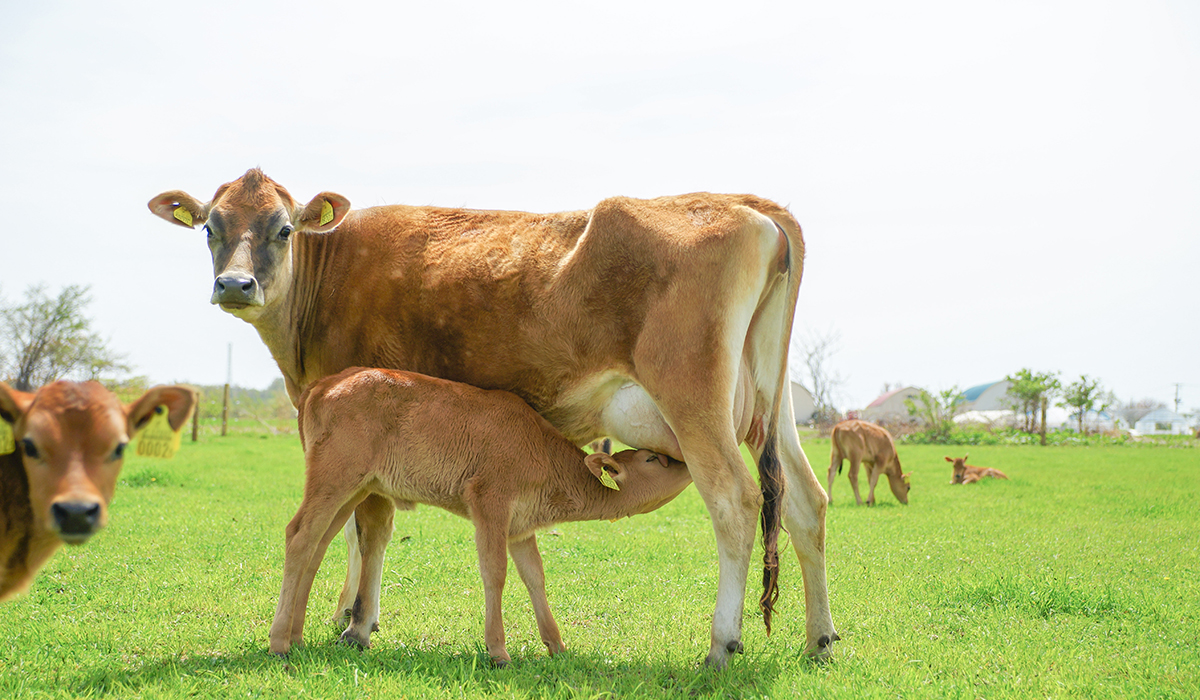
In the rural town of Tobetsu, just north of Sapporo, a small family-run farm called Jersey no Hakoniwa (Jersey Garden) is quietly challenging conventional dairy farming. Only nine Jersey cows live here. Unlike many commercial dairy operations, calves are allowed to remain with their mothers after birth for a period of time. Visitors arriving in spring are greeted by scenes that seem entirely natural—a young calf following its mother across green pasture.Ironically, such scenes have become increasingly uncommon in modern dairy farming. For management efficiency, calves on many dairy farms are separated from their mothers shortly after birth so that milk production can be carefully controlled. At Jersey no Hakoniwa, however, owners Ryuta and his family believe nature deserves a greater role. They also avoid year-round calving schedules. Instead, cows give birth primarily in spring, following a rhythm closer to nature. During winter, milk production virtually stops—and the farm accepts that as part of its philosophy. It is a business model built around the needs of the cows rather than the demands of the market.
The Taste of the Seasons
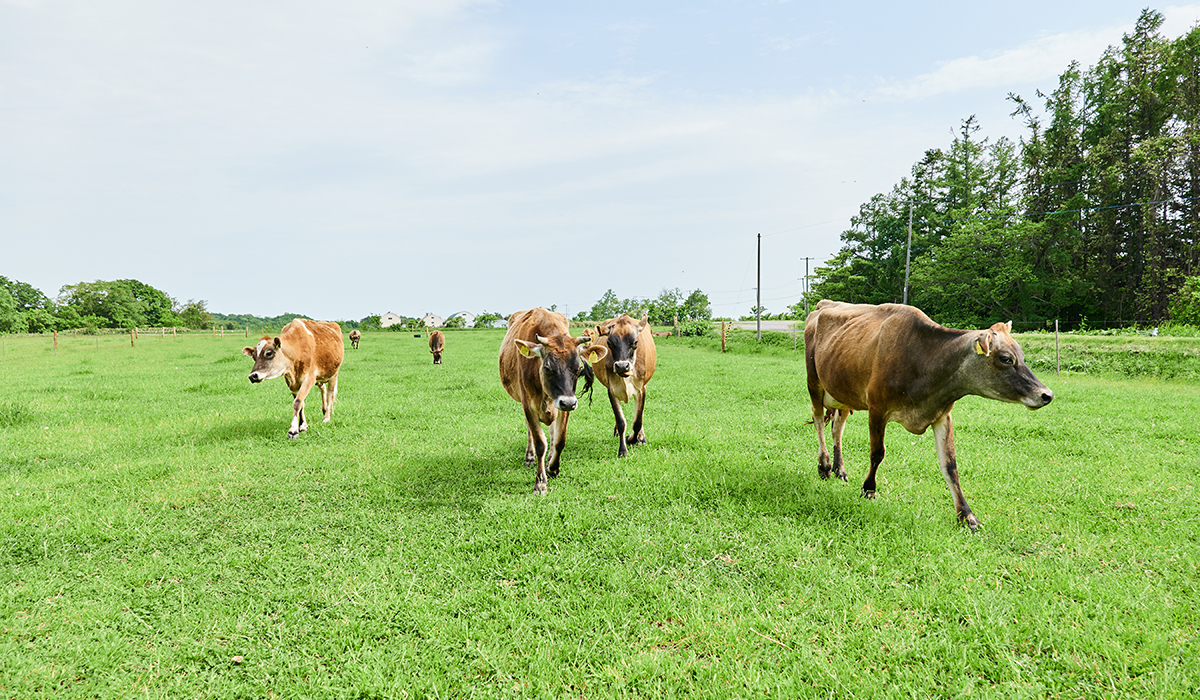
The cows graze almost entirely on grass, producing what is internationally known as grass-fed milk. Studies suggest grass-fed milk often contains higher levels of nutrients such as vitamins A and E, along with beneficial fatty acids. But for many producers, nutrition is only part of the story. Flavor changes naturally throughout the year. Fresh spring grass creates different aromas than mature summer pasture. Autumn forage produces another profile altogether. Some people describe grass-fed milk as having a fresh, herbal aroma. Others notice a richer, creamier texture or subtle sweetness. In other words, milk has seasonality.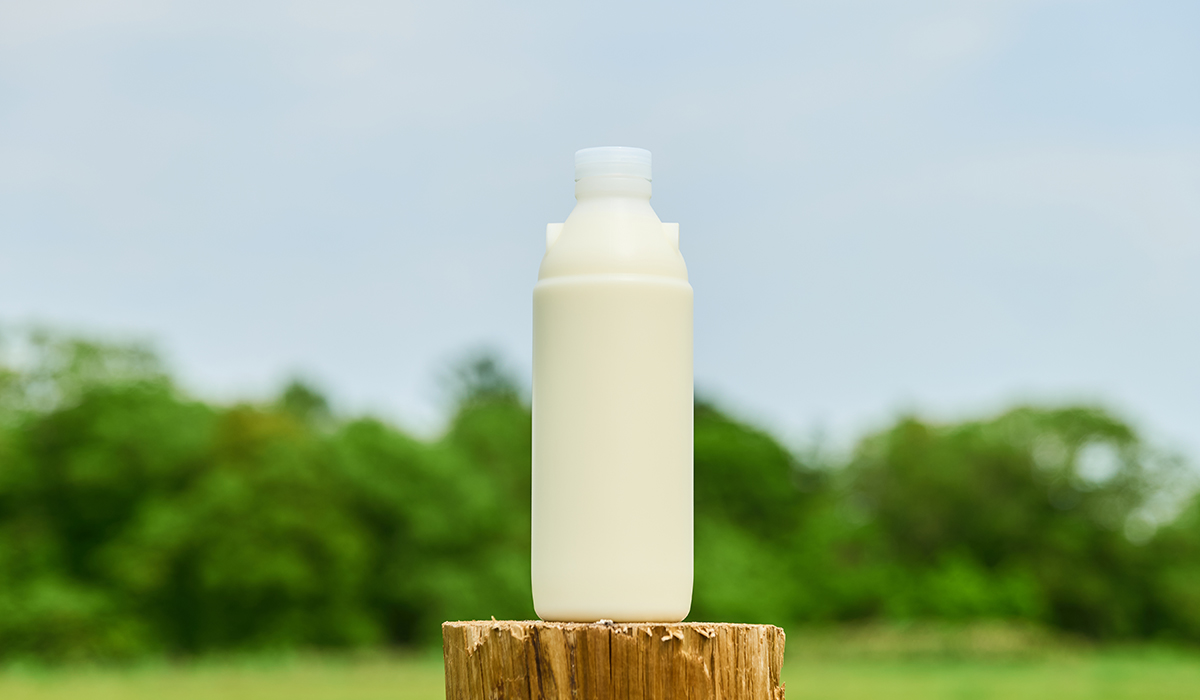
Rather than trying to eliminate those differences, these farmers celebrate them. Ryuta believes that every cow has its own personality—and careful observation is just as important as technology. "If you truly understand each individual cow," he says, "the milk will naturally become delicious."
Animal Welfare Is Becoming Part of the Conversation
This philosophy reflects a growing global movement toward animal welfare. Rather than measuring success solely by production volume, many consumers now ask how animals are raised and whether they are able to behave naturally. Japan has only recently begun embracing these ideas, but interest is growing. Pasture-based farms allow cows to walk freely, graze naturally, and spend more time outdoors. Farmers often describe healthier animals, fewer stress-related problems, and longer productive lives. For visitors, watching cows peacefully grazing across open fields is more than an attractive rural landscape. It offers a glimpse into a different relationship between people, animals, and agriculture.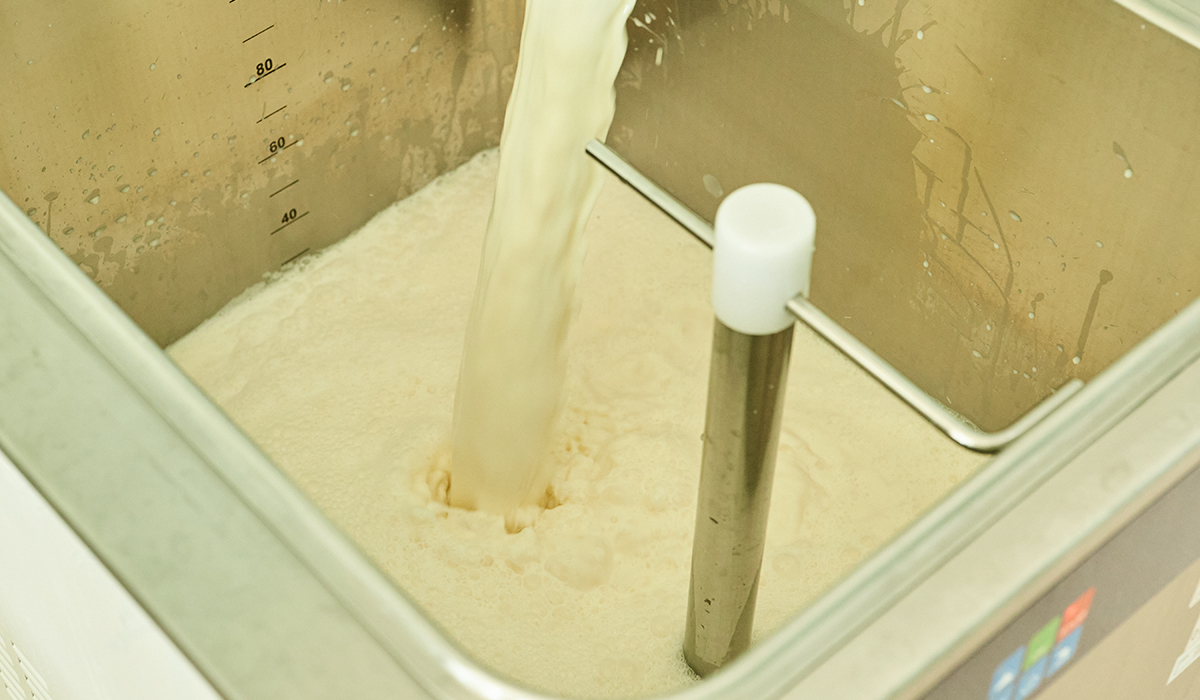
Milk With a Sense of Place
Perhaps the most fascinating idea emerging from Japan's grass-fed movement is that milk, like wine, reflects terroir. Climate, soil, native grasses, seasonal weather, and local farming practices all contribute to its character. Milk is no longer viewed simply as a commodity. It becomes an expression of place. This way of thinking resonates strongly with Japan's broader food culture.Whether it is premium tea grown on a single hillside, sake brewed from regional water, or wagyu raised under carefully controlled conditions, Japanese gastronomy has long celebrated ingredients shaped by their environment. Grass-fed milk is beginning to join that tradition. For chefs, artisan cheesemakers, and increasingly curious consumers, the question is shifting from "How much milk does a cow produce?" to "How was this milk produced?" That subtle shift may become one of the most important changes taking place in Japan's dairy industry.
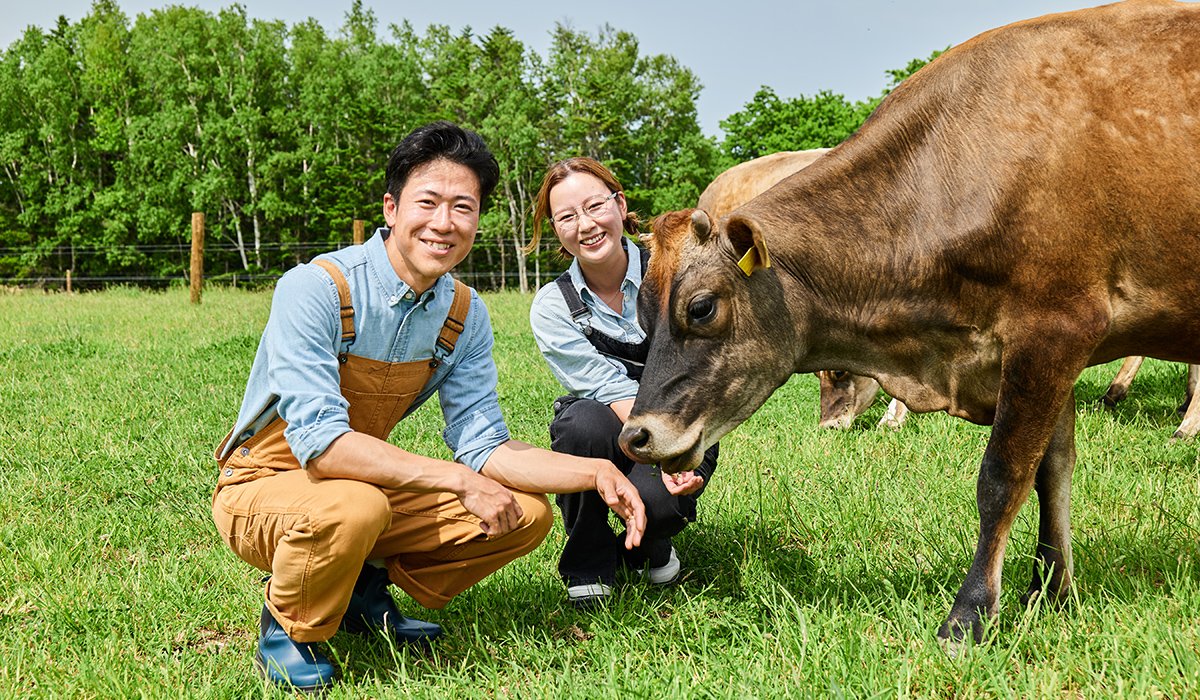
About the Founders
Ryuta Fujita (born November 9, 1994) never studied dairy farming or animal science. His journey began simply from a lifelong love of animals and a desire to build a life working alongside them. Before establishing Jersey no Hakoniwa, he spent five years training at dairy farms in Shibecha, Chitose, and Taiki in Hokkaido, where he met his wife, Riyo. During those years, he searched for a farming style that would allow cows to live as naturally and comfortably as possible.Today the couple cares for only nine Jersey cows, allowing them to graze outdoors around the clock, give birth naturally, and raise their calves themselves. Milking takes place only once a day, using only the milk the calves do not consume. Every aspect of the farm is designed to give the animals the greatest possible freedom.
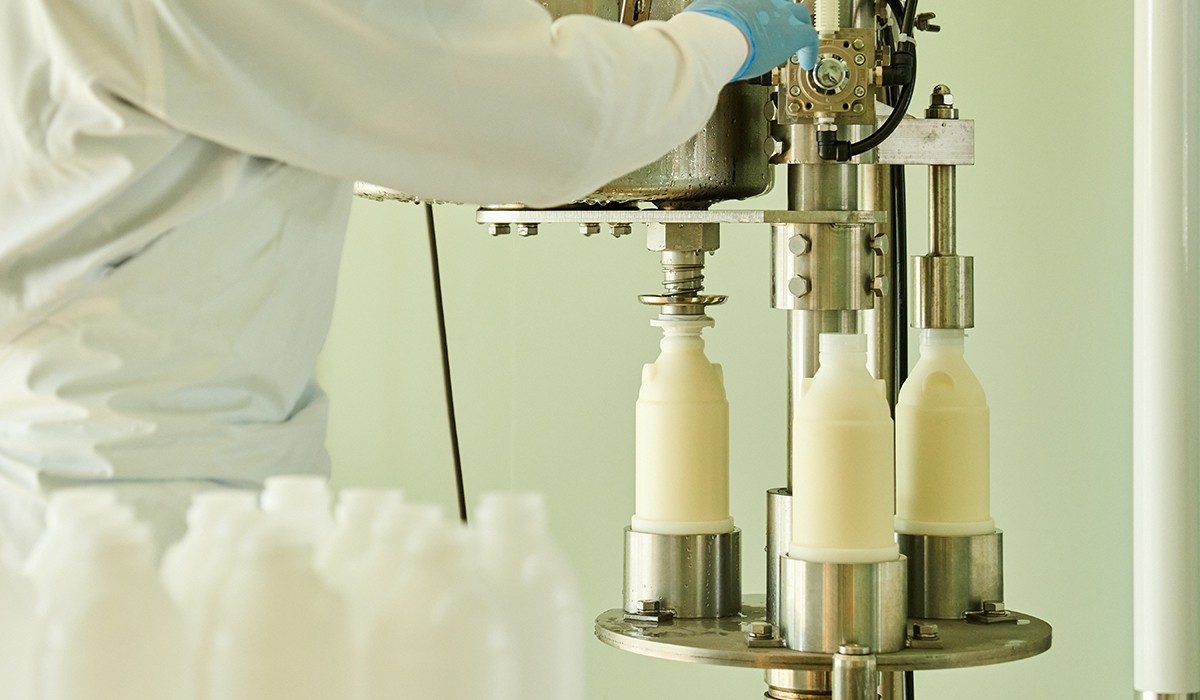
That philosophy is why they chose the name Jersey no Hakoniwa (Jersey Garden) rather than simply calling it a dairy farm. To make this small-scale approach sustainable, they built their own processing workshop and transform all of their milk into premium dairy products. Their membership-based milk program has virtually eliminated food loss and is now fully subscribed, with a waiting list of customers.
"Our hope is simple," says Ryuta. "We want both our cows and the people who enjoy our milk to live happier lives. We will continue improving our farm while staying true to that philosophy."