January 7, 2026
Seven-Eleven Japan Expands Regenerative Agriculture Initiatives in Brazil
Securing Coffee Supply Through Regenerative Agriculture
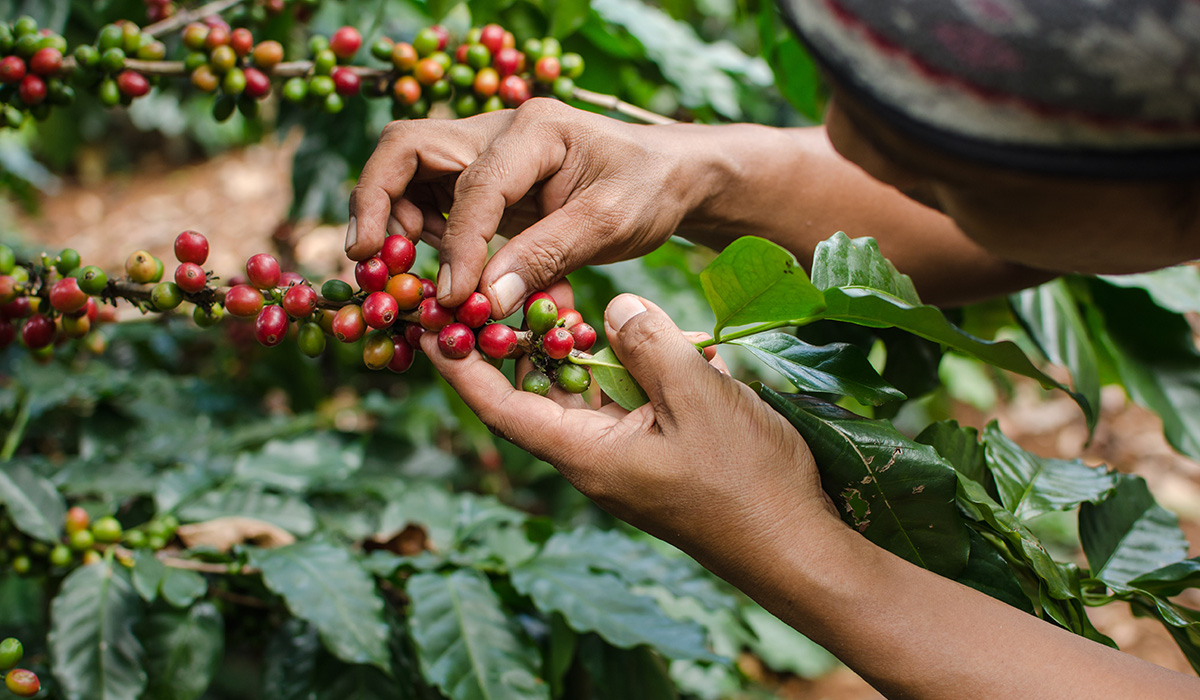
In 2026, Seven-Eleven Japan will partner with Mitsui to improve the soil and regenerate coffee bean farmland in Brazil, expanding the area by approximately 10 times compared to the previous year. Due to factors such as climate change, the amount of farmland suitable for growing coffee beans is decreasing year by year. Seven-Eleven's freshly brewed coffee, available in stores, has become a core product. To ensure a stable supply of raw materials, the company is even providing production support.Regenerative agriculture is an approach that enables sustainable farming on a given land by improving soil health to support crop growth, reducing the use of pesticides, and reducing greenhouse gas emissions such as carbon dioxide (CO2). Food manufacturers and other global companies are beginning to provide support.
Seven-Eleven will provide financial support for regenerative agriculture at a large coffee farm in southeastern Brazil through Mitsui's local subsidiary. The project will cover an area of just under 4,000 hectares (about 800 Tokyo Domes), approximately 10 times the area covered the previous year. Brazil will be the first country in the world where Seven & i Holdings has supported regenerative agriculture.
The project will use a technique called "cover crops," which involves filling in the gaps between crops with other plants. They will cultivate plants such as Brachiaria, a grass family that improves soil. Measures such as improving the soil's water retention will also be implemented. Some farms that have already implemented the project have reportedly seen benefits, including a significant reduction in herbicide use.
The cultivated plants will be harvested around spring 2026 and used as organic fertilizer for coffee bean cultivation. The company aims to further increase the number of participating farms after 2026.
Seven-Eleven sources the coffee ingredients for its freshly brewed "Seven Cafe" coffee from Brazil, Guatemala, Colombia, and other countries. While coffee beans from Brazil account for less than 1% of total global coffee beans, global coffee bean prices remain high. With a medium- to long-term perspective, Seven-Eleven has decided to extend its support for overseas production.
In Japan, companies such as Kirin Holdings are also involved in regenerative agriculture. Against the backdrop of climate change and geopolitical risks, stable procurement of raw materials is becoming increasingly important, and more companies will likely continue to enter the field. According to Indian research firm Coherent Market Insights, the global regenerative agriculture market is expected to expand to $37.3 billion (approximately 6 trillion yen) by 2032, 2.8 times its 2025 size.