August 10, 2026
Staying Hydrated in Japan’s Summer Heat Requires Choosing the Right Drink
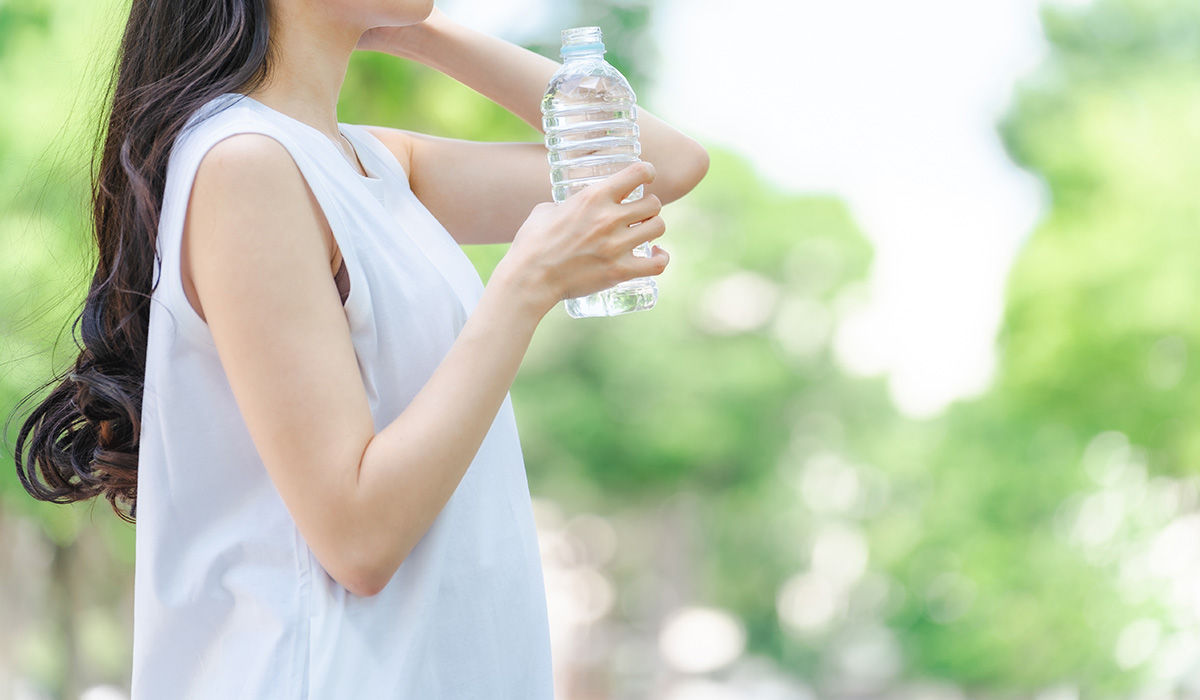
As Japan faces increasingly intense summer heat, staying hydrated has become an essential part of everyday life. Yet drinking large amounts of sports drinks and other sugary beverages in the name of preventing heatstroke may sometimes have the opposite effect.
A typical 500-milliliter bottle of sports drink contains around 25 to 35 grams of carbohydrates, equivalent to roughly seven to ten sugar cubes. Excessive consumption can cause blood sugar levels to rise sharply and, in some cases, lead to a condition known in Japan as “PET bottle syndrome,” formally called soft drink ketosis.
When blood sugar becomes excessively high, the body attempts to remove the excess glucose through urine, causing additional water loss. This can create a vicious cycle in which a person becomes increasingly thirsty, drinks more sugary beverages, and becomes even more dehydrated. In severe cases, the condition can lead to impaired consciousness and become life-threatening.
Choosing the Right Drink for the Situation
This does not mean sports drinks should be avoided altogether. They can be useful during strenuous exercise or outdoor work that causes heavy sweating, as they help replace fluids, salt, and carbohydrates lost through perspiration.For ordinary daily activities, however, experts say regular meals should provide much of the body’s required water and electrolytes, with additional hydration coming mainly from water or unsweetened tea. Eating a proper breakfast can also help reduce the risk of heatstroke.
When heatstroke is suspected and dehydration has already developed, oral rehydration solutions are generally more appropriate. Compared with sports drinks, they contain significantly more salt and less sugar and are formulated to help the body absorb fluids efficiently.
From “Drink More” to “Drink Wisely”
The challenge, therefore, is not simply to drink as much as possible, but to choose what to drink according to the weather, physical activity, amount of sweating, and individual condition.Special attention is needed for children and older people. Older adults may not notice thirst as readily and can benefit from drinking at regular intervals, while children need frequent access to appropriate fluids.
As extreme summer heat increasingly becomes part of everyday life in Japan, hydration habits may also need to evolve. Preventing heatstroke remains essential, but so does avoiding excessive sugar intake. The new rule for summer may be simple: stay hydrated, but think about when, what and how much you drink.