December 26, 2025
Traditional Crafts Market Development: Reimagining Color, Materials, and Usage for Global Appeal
Across Japan, traditional craft makers are redefining their products to reach younger customers and overseas markets. By pairing time-honored techniques with affordable everyday items and by breaking away from fixed ideas about how craft products should look or be used, they are overturning the image of traditional crafts as expensive and inaccessible. This shift in thinking has produced unexpected items such as lacquer-coated paper cups and champagne coolers made from wooden barrels, breathing new life into long-established industries.
Lacquer Coated Paper Cups
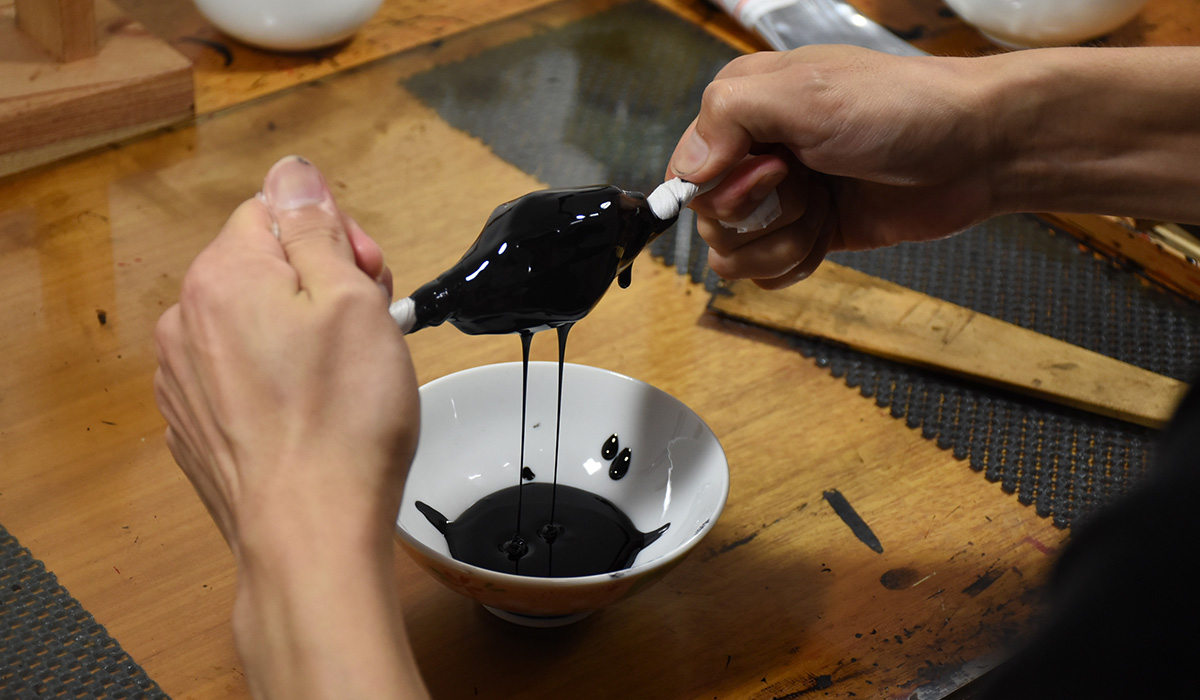
In the spring of 2024, Sato Kiyomatsu Shoten, a Kyoto-based lacquer wholesaler with a history of more than 100 years, partnered with lifestyle goods developer COCOO to create a reusable lacquer-coated paper cup. According to COCOO CEO Hiroshi Kitayama, each cup can be washed and reused up to 1000 times.The lacquer is applied three times to both the inside and outside of the cup, then cured in an oven. This process makes the surface highly durable, so it resists scratches even when washed with a sponge. Kitayama explains that the lacquer not only gives the otherwise inorganic paper cup a warm and refined appearance but also greatly enhances its functionality.
Weighing only about 14 grams and priced from 1430 yen, the cups quickly attracted attention among camping enthusiasts. About 2000 units were sold within the first six months after launch.
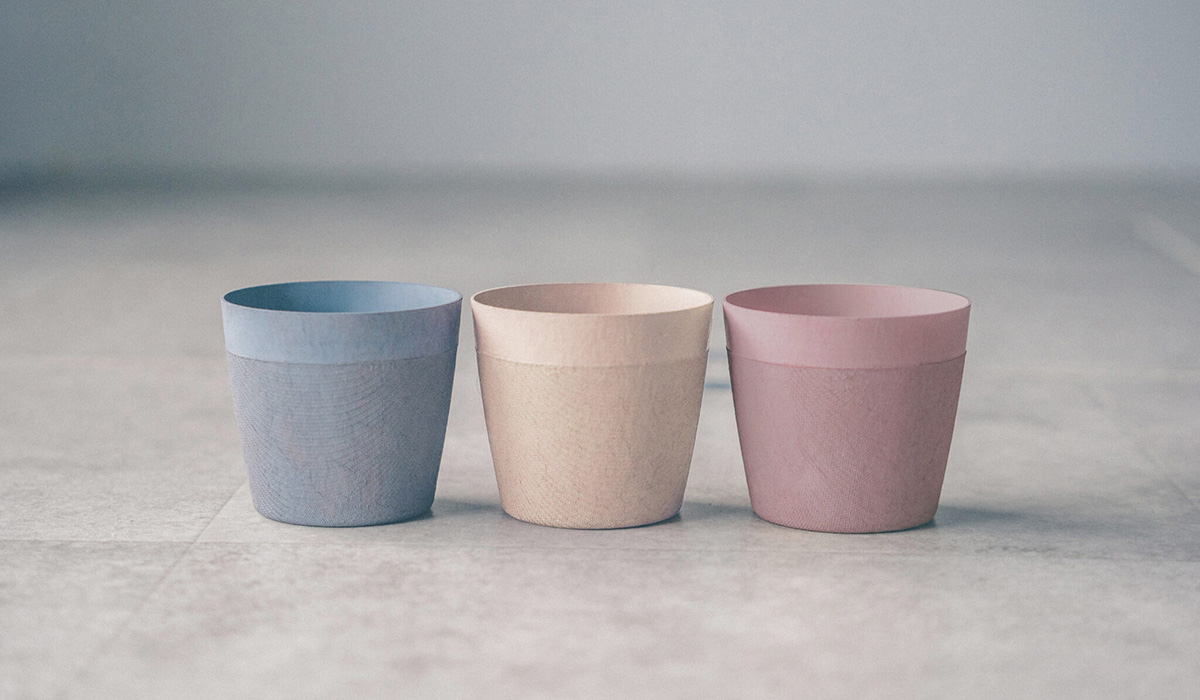
Photo from the COCOO website
Color Innovation Drives Global Expansion
Since 2004, the Japanese government has supported the development of overseas markets for traditional crafts through the JAPAN Brand Development Support Project. One of the beneficiaries, Iwachu of Morioka City, a long-established maker of Nanbu ironware, is now widely recognized for its success in expanding abroad.When Iwachu began exporting iron kettles and teapots in earnest around 30 years ago, its lineup was limited to traditional colors such as black and brown. However, through collaboration with a European tea manufacturer, the company discovered that overseas consumers favored a much broader color palette. Today, Iwachu offers around 70 different colors, including sky blue and pink.
Exports to Europe, the United States, and Asia now account for about 40 percent of the company’s annual sales, which total roughly 900 million yen. In recent years, colorful products have also gained popularity in Japan, particularly among female customers. President Yayoi Iwashimizu says that their success is the result of continuing to challenge conventions rather than clinging too tightly to tradition.
Lessons for the Future of Traditional Crafts
The success of these companies suggests that the key to revitalizing traditional crafts lies not in preserving form alone but in rethinking how those skills can be applied to modern lifestyles. By introducing unexpected materials, vibrant colors, and new use cases, craft makers can create products that resonate with global consumers who value both authenticity and practicality.This approach offers a model that other craft sectors can follow. Ceramics, textiles, metalwork, and bamboo crafts all possess the potential to expand beyond their conventional roles and enter new markets if they are willing to reinterpret tradition through a contemporary lens. For Japan’s craft industry as a whole, bold innovation may be the most reliable path to sustainable growth in the global marketplace.